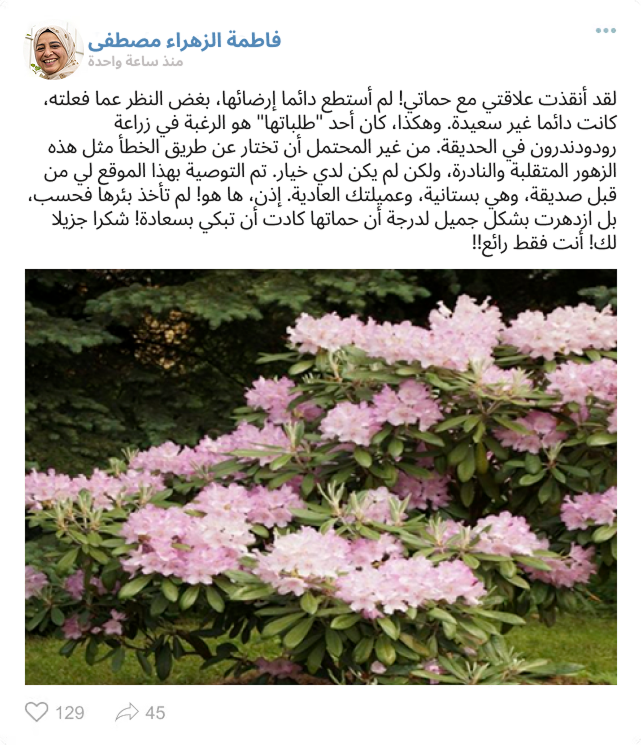
OUR NURSERY
We are proud to present our nursery, which has a rich history spanning more than 30 years! During this time, we have established ourselves as a leading producer of the highest-quality seedlings. Our plants are known for their health and excellent growth thanks to the care and attention of our experienced agronomists.
Our agronomists are true masters of their craft, possessing deep knowledge and many years of experience. They constantly improve their skills so that every seedling grown in our nursery is perfect.
Only the best plant varieties are grown in our nursery, and they undergo strict quality control at all stages of their growth. We strive to ensure that our seedlings bring joy and satisfaction to every customer, creating beautiful and fertile gardens.
Join our large family of gardeners and feel the difference by choosing seedlings from our nursery!
CATALOGUE
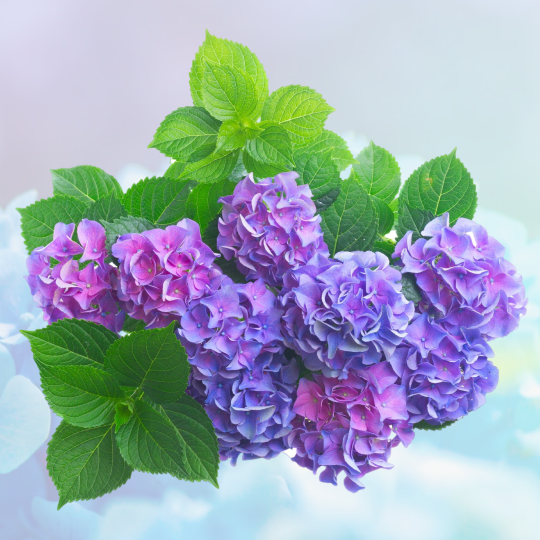
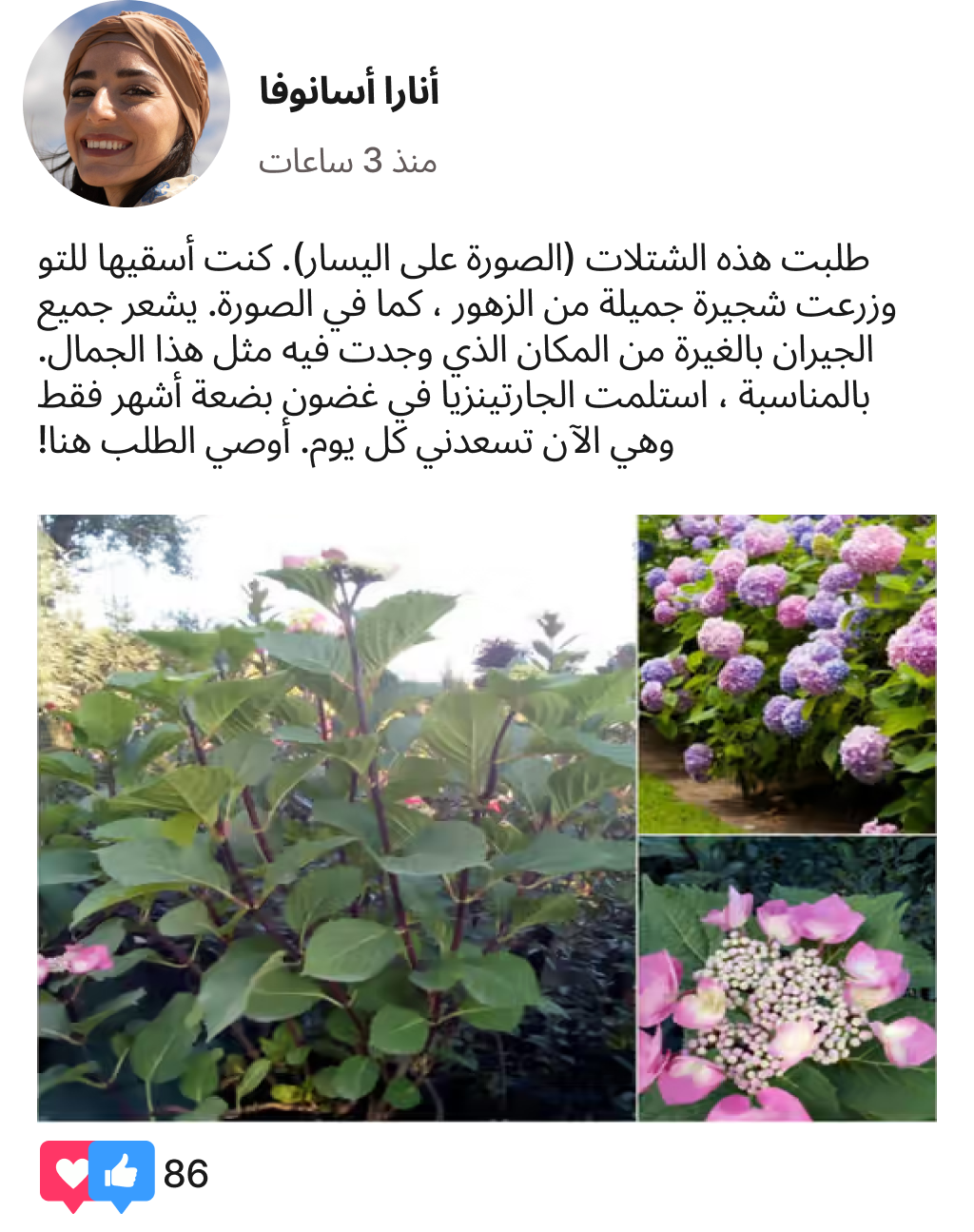
HYDRANGEA SEEDLINGS
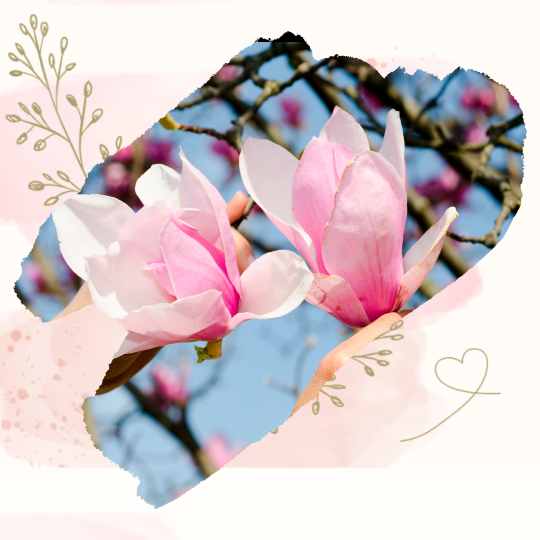
MAGNOLIA SEEDLINGS
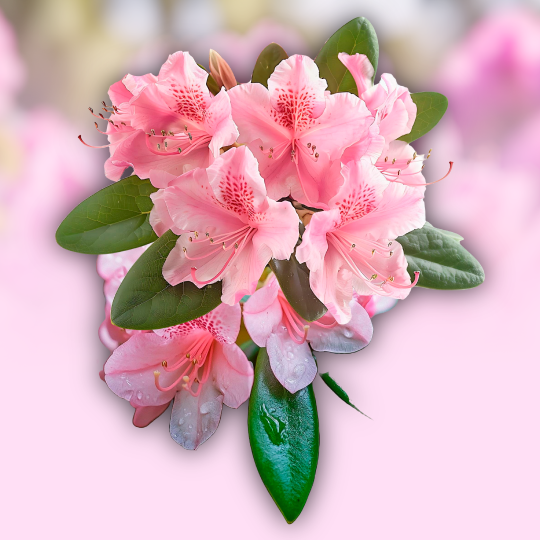
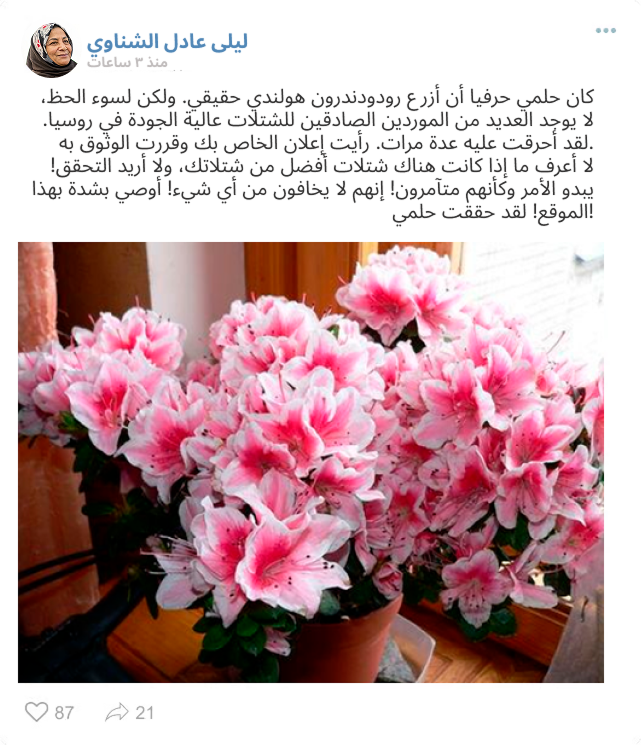
RHODODENDRON SEEDLINGS
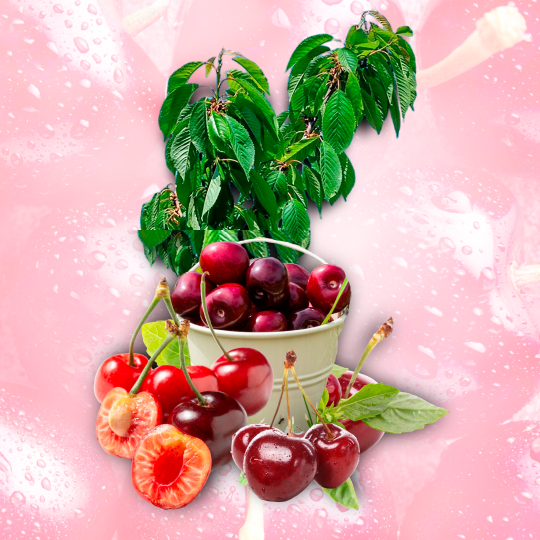
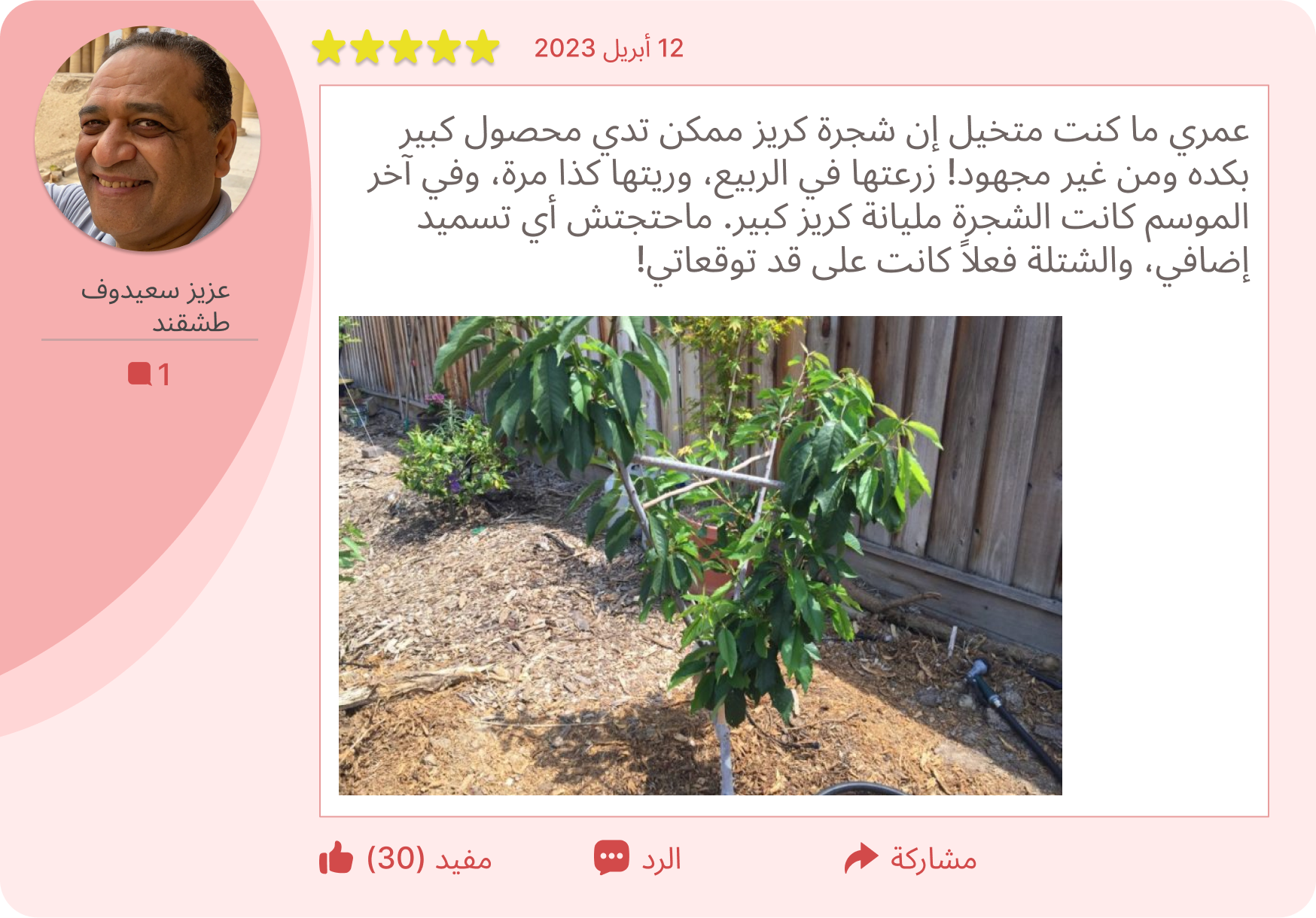
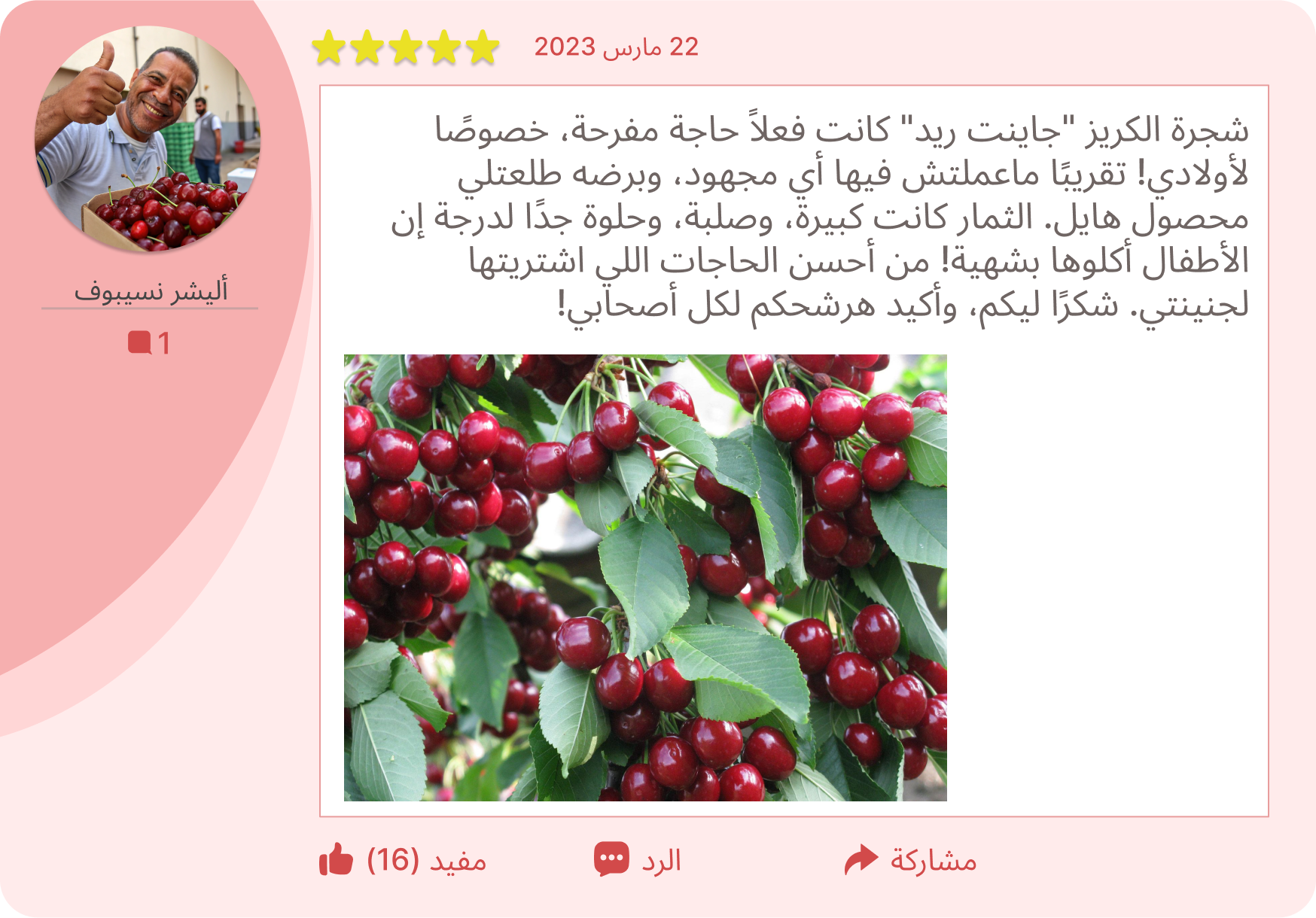
SWEET CHERRY SEEDLINGS
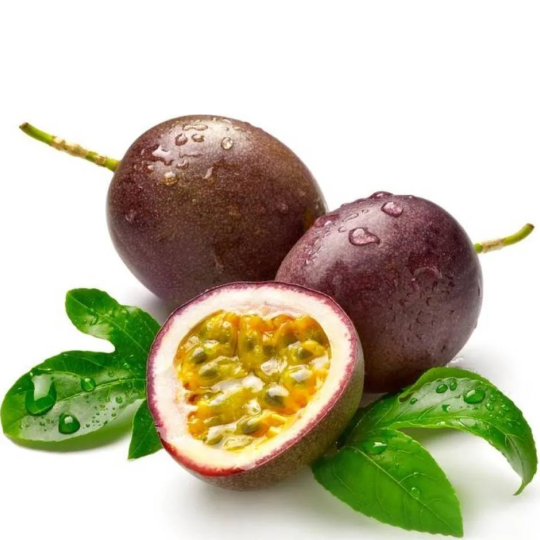
PASSION FRUIT SEEDLINGS
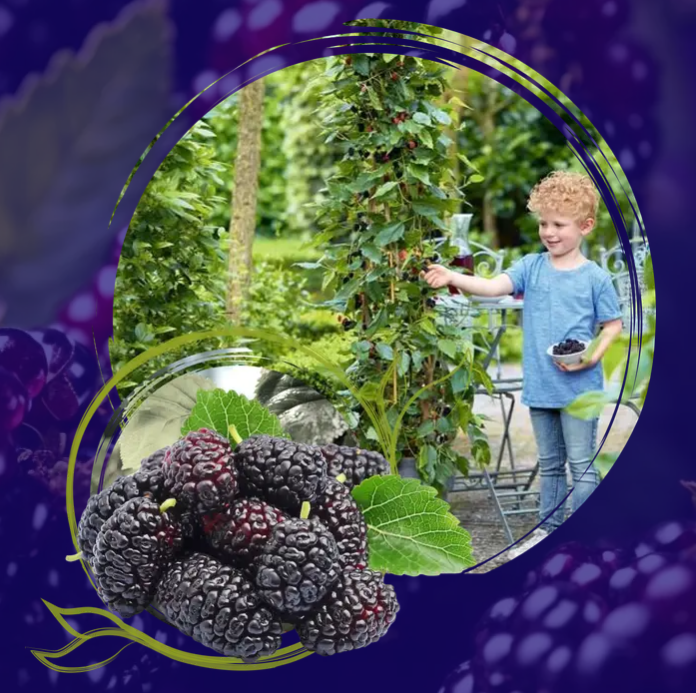
BUSH MULBERRY
BLUEBERRY SEEDLINGS
STRAWBERRY TREE
RASPBERRY TREE
HYDRANGEA SEEDLINGS
| Panicle Hydrangea “Limelight” | A shrub more than 1–1.5 meters high with a rounded crown. Width up to 2 m. Flowering time: blooms from July to September with large, wide-conical inflorescences. Flower color: inflorescences consist of sterile flowers of pale lemon or greenish color, which later turn pink. | 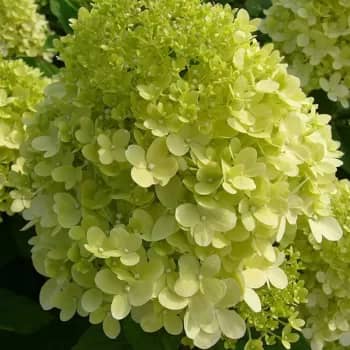 |
| Hydrangea “Blue Lagoon” | Hydrangea blooms with beautiful, large spherical inflorescences 15–18 cm in diameter, consisting of blue flowers. Shoots are burgundy and strong. Veins on the leaf blade are burgundy. Leaves are resistant to powdery mildew. An adult hydrangea bush can reach 1.2 m in height and width. | 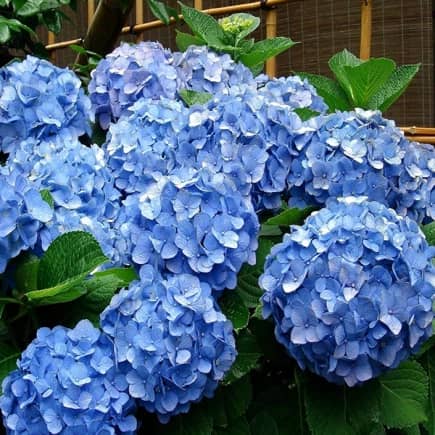 |
| Hydrangea “Snow White” | The inflorescences are edged with large, elegant sterile flowers of pure white color, often becoming more pink in cold weather. The number of flowers per inflorescence: sterile from 8 to 10, fertile 330. Natural flowering season from April to June–September. Inflorescence height 8.5 cm, width 13.5 cm. Average height 50.0 cm, width 100.0 cm. | 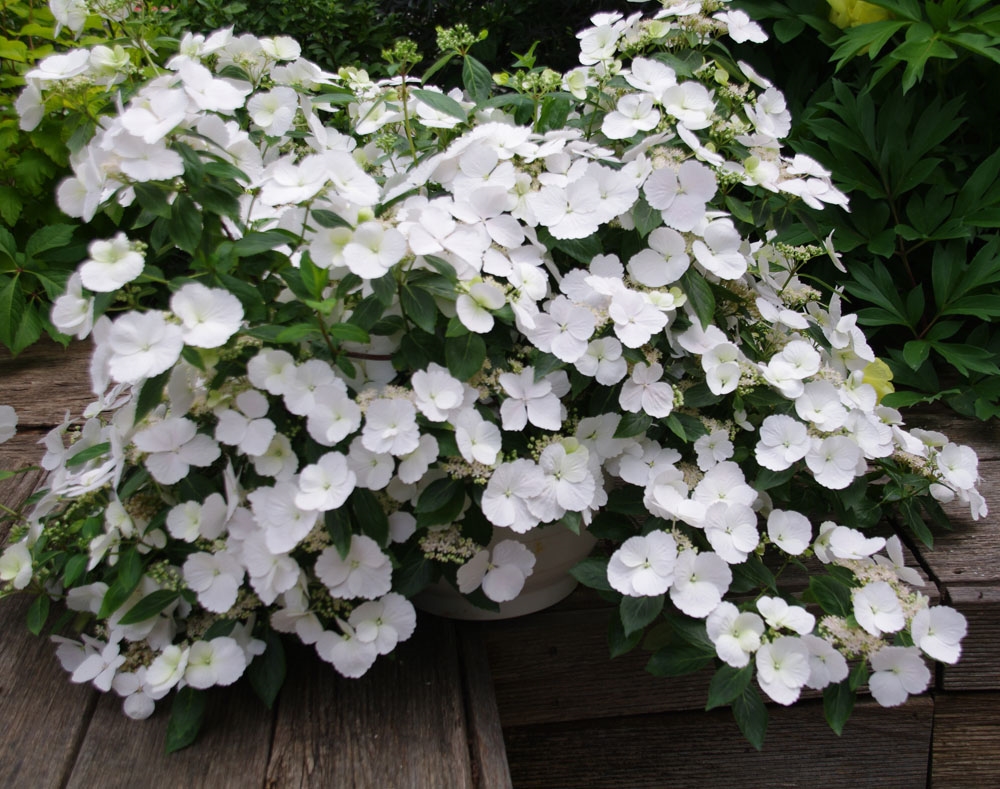 |
| Hydrangea “Sweet Summer” | One of the most beautiful panicle hydrangeas. “Sweet Summer” translates as Sweet Summer. A bush up to 150 cm high and up to 120 cm wide, compact, with a dense crown, blooms very abundantly. Inflorescences are large and dense, 30–35 cm long. | 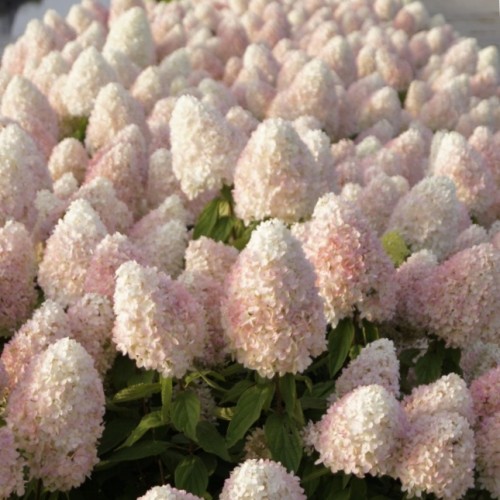 |
| Hydrangea “Chameleon” | A fast-growing shrub with spectacular flowers up to 1–2 m high. Inflorescences are spherical, 16–18 cm in diameter. An original variety with multicolored inflorescences on one bush: green-white, pink, pink-blue, and violet-blue. | 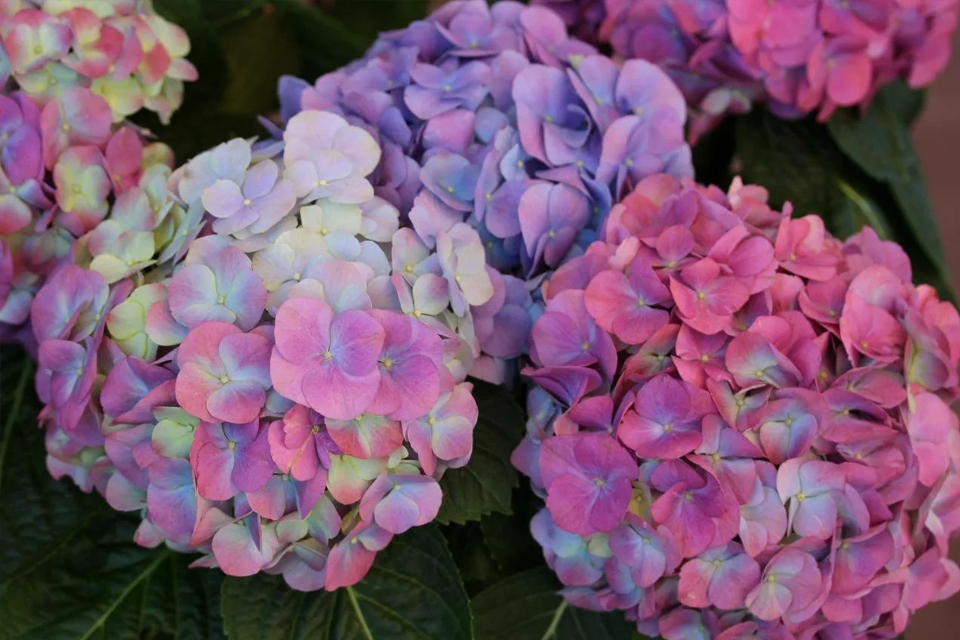 |
| Hydrangea “Brightness” | Its pink-red inflorescences, consisting of many small flowers, give the garden brightness and energy. With sufficient soil acidity, the flower color becomes bright and rich red, making this variety an ideal choice for landscape design. | 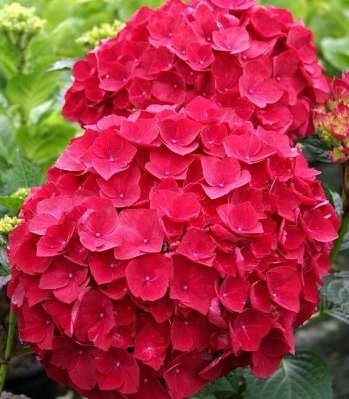 |
| Panicle Hydrangea “Limelight” |
| A shrub more than 1–1.5 meters high with a rounded crown. Width up to 2 m. Flowering time: blooms from July to September with large, wide-conical inflorescences. Flower color: inflorescences consist of sterile flowers of pale lemon or greenish color, which later turn pink. |
| |
| Hydrangea “Blue Lagoon” |
| Hydrangea blooms with beautiful, large spherical inflorescences 15–18 cm in diameter, consisting of blue flowers. Shoots are burgundy and strong. Veins on the leaf blade are burgundy. Leaves are resistant to powdery mildew. An adult hydrangea bush can reach 1.2 m in height and width. |
| |
| Hydrangea “Snow White” |
| The inflorescences are edged with large, elegant sterile flowers of pure white color, often becoming more pink in cold weather. The number of flowers per inflorescence: sterile from 8 to 10, fertile 330. Natural flowering season from April to June–September. Inflorescence height 8.5 cm, width 13.5 cm. Average height 50.0 cm, width 100.0 cm. |
| |
| Hydrangea “Sweet Summer” |
| One of the most beautiful panicle hydrangeas. “Sweet Summer” translates as Sweet Summer. A bush up to 150 cm high and up to 120 cm wide, compact, with a dense crown, blooms very abundantly. Inflorescences are large and dense, 30–35 cm long. |
| |
| Hydrangea “Chameleon” |
| A fast-growing shrub with spectacular flowers up to 1–2 m high. Inflorescences are spherical, 16–18 cm in diameter. An original variety with multicolored inflorescences on one bush: green-white, pink, pink-blue, and violet-blue. |
| |
| Hydrangea “Brightness” |
| Its pink-red inflorescences, consisting of many small flowers, give the garden brightness and energy. With sufficient soil acidity, the flower color becomes bright and rich red, making this variety an ideal choice for landscape design. |
| |
MAGNOLIA SEEDLINGS
| Star Magnolia (Magnolia stellata) | Leaves are obovate, 6–10 cm long and 5 cm wide, light green or green, glossy. Flowering March–April. Blooms before leaf emergence. Star-shaped flowers with 12–15 (up to 40) petals, white, with a pleasant fragrance. | 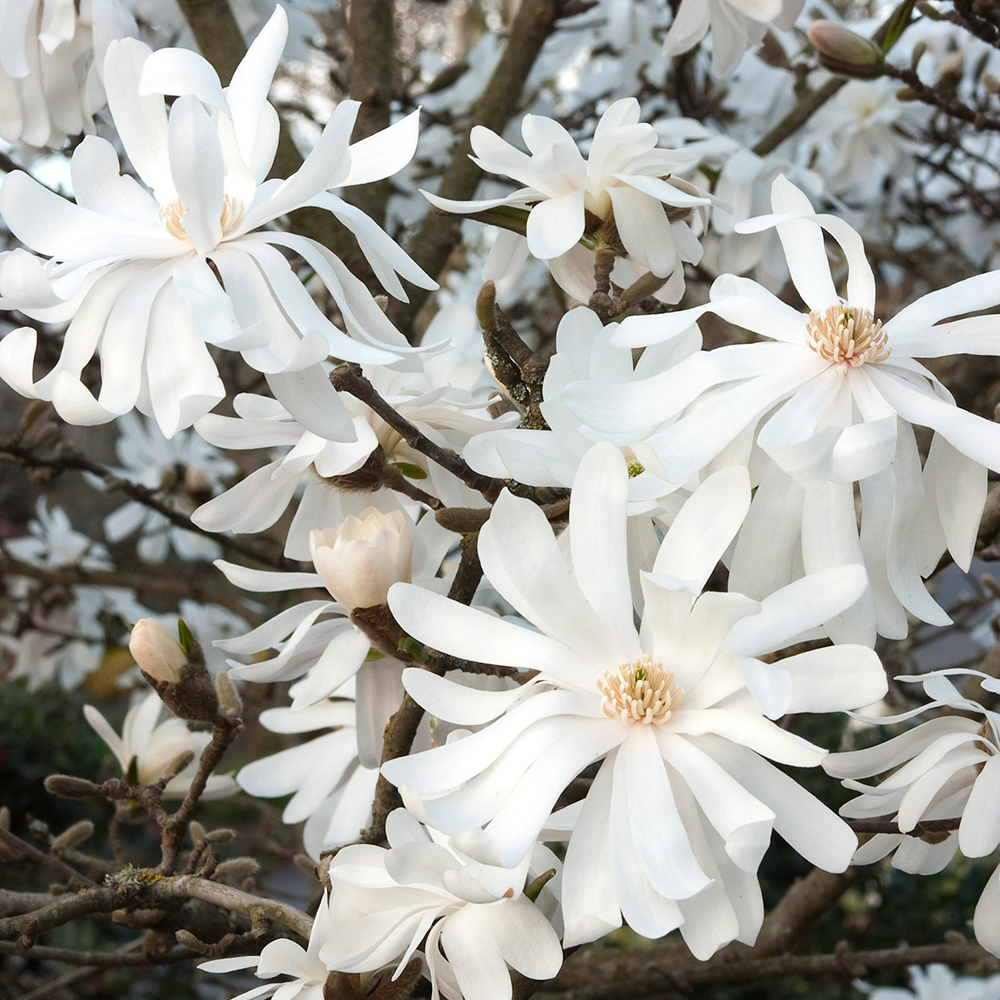 |
| Kobus Magnolia (Magnolia kobus) | Thanks to its numerous advantages and high decorative value, Kobus magnolia will decorate any place: gardens, urban landscapes, parks, squares, garden plots. Landscape designers recommend planting both in loose group plantings and as solitary specimens. | 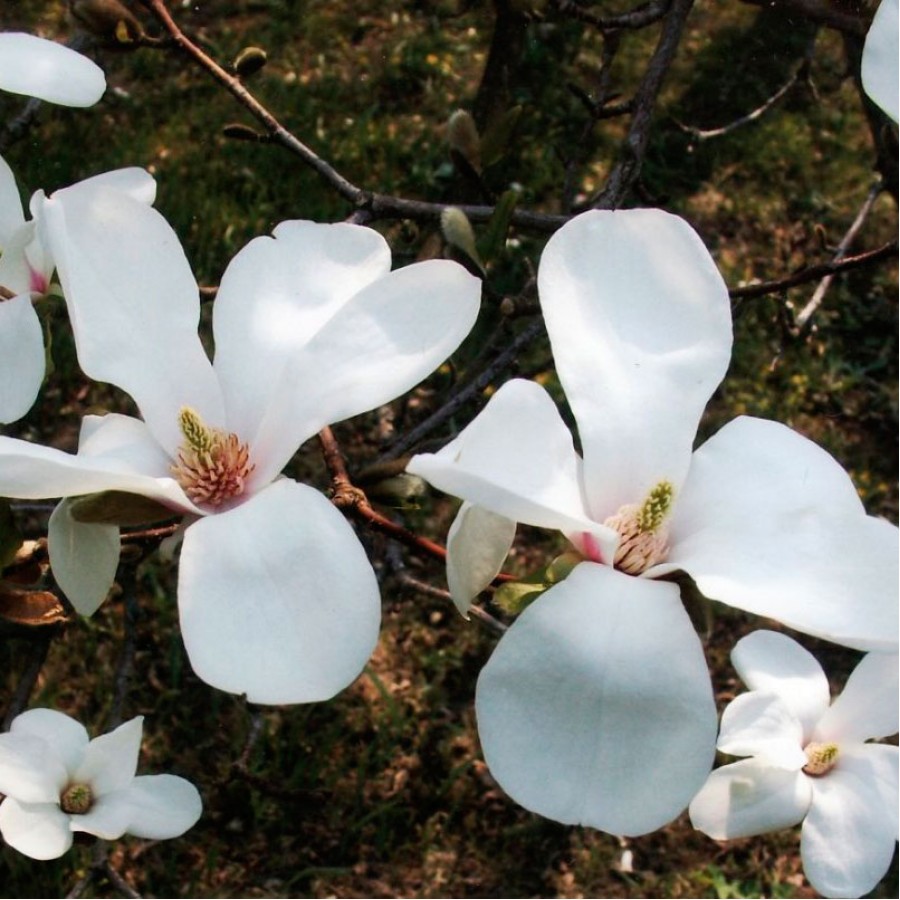 |
| Magnolia March Till Frost | Diameter 10–20 cm. Magnolias prefer places protected from wind and drafts. The best place for planting is a sunny site, in southern regions slightly shaded, with light fertile soil — optimally neutral to slightly acidic soil rich in organic matter. | 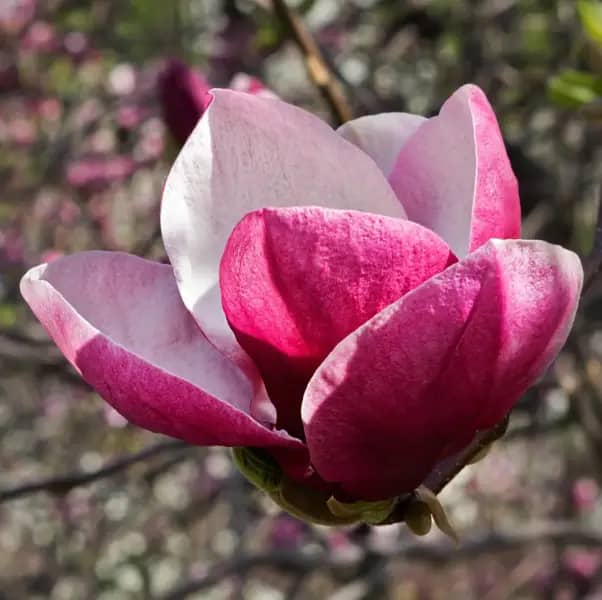 |
| Magnolia Pickard Ruby | Fits harmoniously into conifer plantings. In such places it blooms especially brightly due to the light unusual for magnolias. Diameter 10–20 cm. Leaves are glossy, with a slightly wavy edge, deep dark green in color. The best place for planting is a sunny site with light fertile soil — optimally neutral to slightly acidic soil rich in organic matter. | 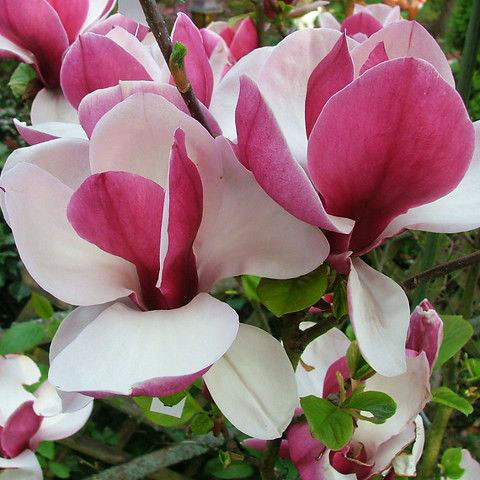 |
| Magnolia Royal Purple | The flowers are fragrant, cup-shaped, and can grow up to 20 cm in diameter. Blooms in early and mid-season. Magnolias need places protected from wind and drafts. The best place for planting is a sunny, slightly shaded site with light fertile soil. | 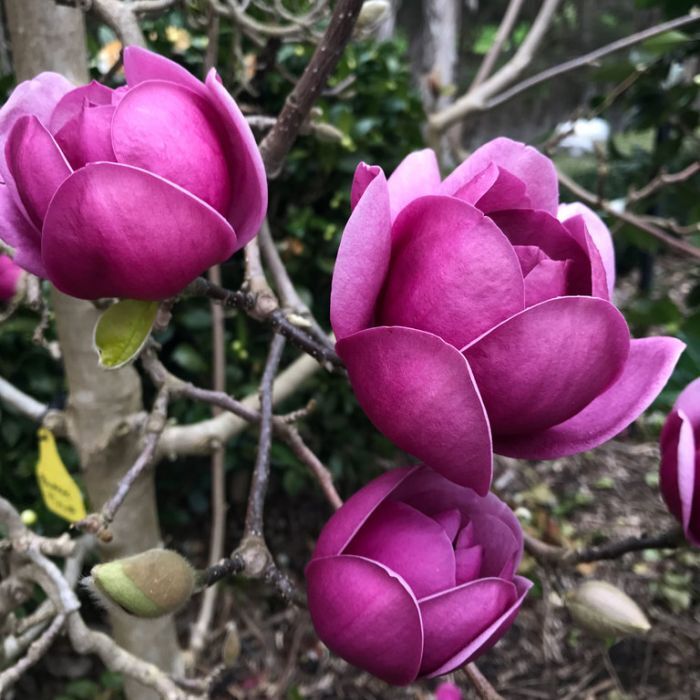 |
| Magnolia Rustica Rubra | Leaves are broadly oval and egg-shaped, rich green in color, slightly wavy. When Magnolia Rubra is fully covered with leaves, it has almost no competitors among deciduous trees and shrubs in terms of crown density. | 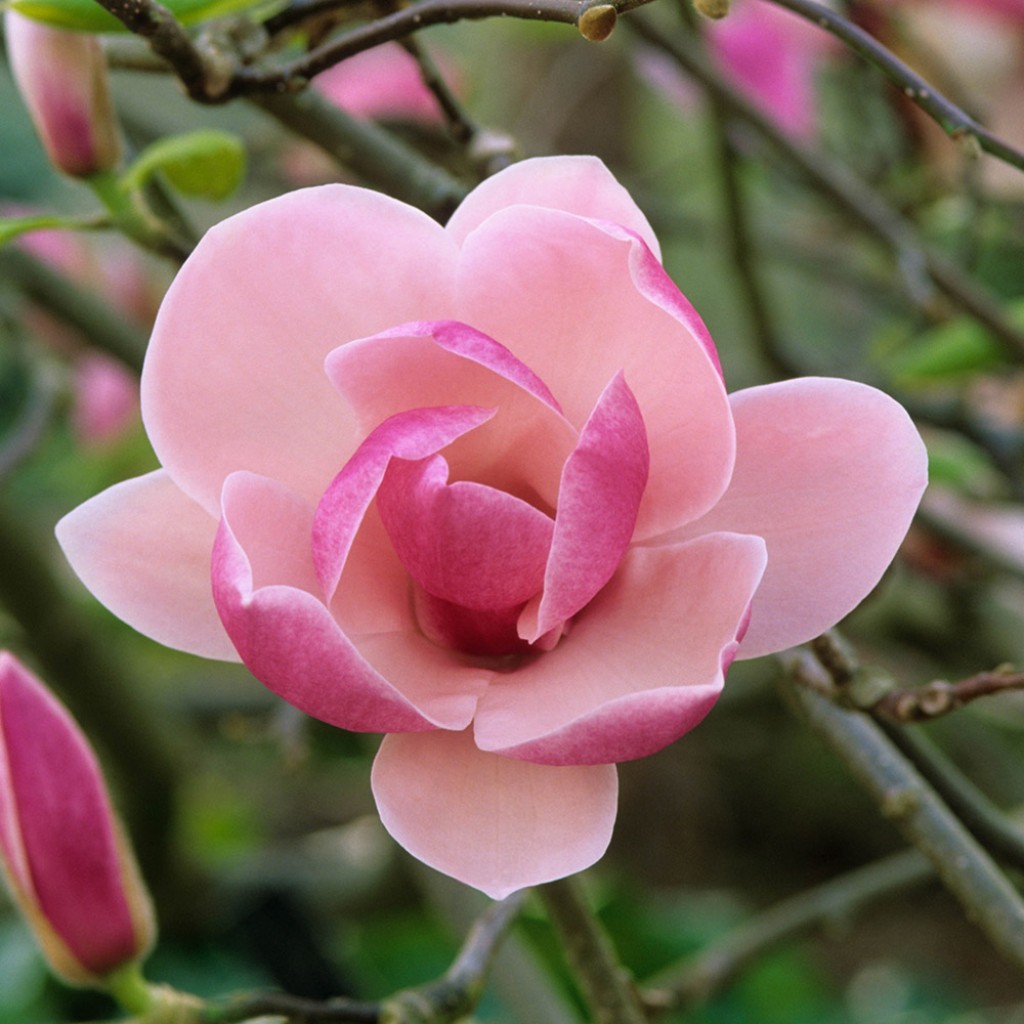 |
| Magnolia Sentinel | A low tree with a spreading crown, whose graceful flexible branches of a smoky olive shade bend toward the ground. | 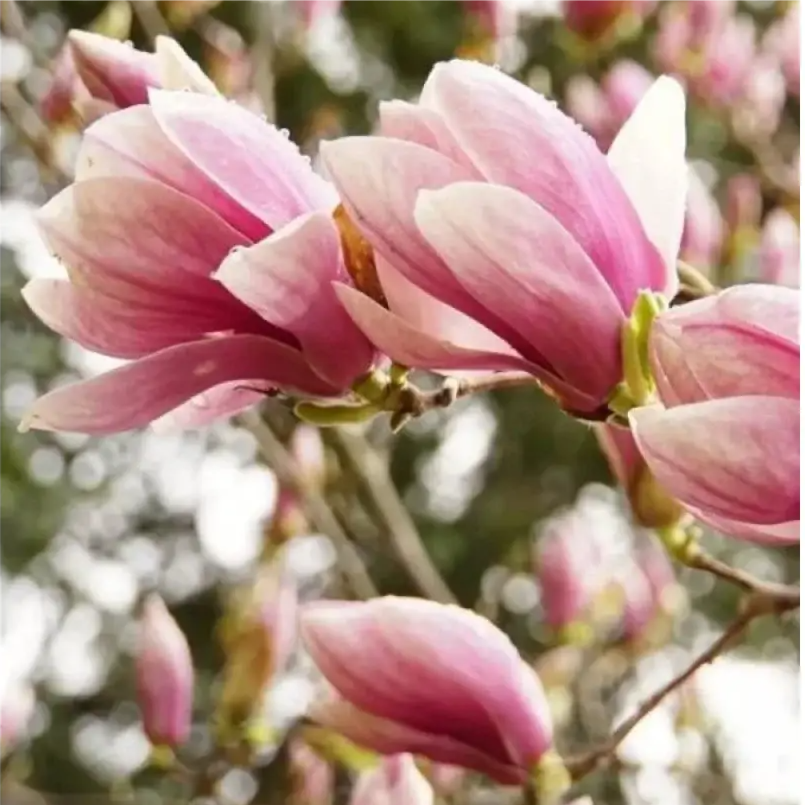 |
| Magnolia First Love | A magnolia variety with a vertical growth form up to 4.5 m in height. Flowers are pink-purple on the outside and ivory-colored on the inside. Blooms very abundantly in spring, in late May to early June, simultaneously with leaf development. Prefers sunny areas protected from wind. The variety is very widely used to decorate balconies and terraces. | 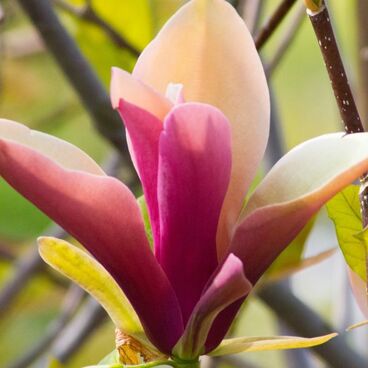 |
| Magnolia Blue Opal (greenish-blue flowers) | Magnolia “Blue Opal” is a decorative deciduous tree/shrub with attractive unusual flowers of a bluish-green shade, which when opening turn light yellow. Flowers appear simultaneously with leaf emergence in spring and create a striking accent in the garden. | 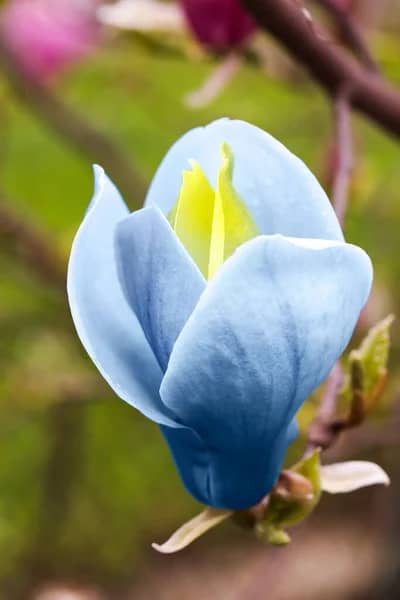 |
| Magnolia Jenny | A decorative deciduous shrub or small tree with a compact crown, reaching approximately 2–3 m in height and 1.5–2 m in width. The flowers are large, tulip-shaped, rich burgundy-purple in shade, opening in spring before the appearance of foliage and creating a striking accent in the garden. | 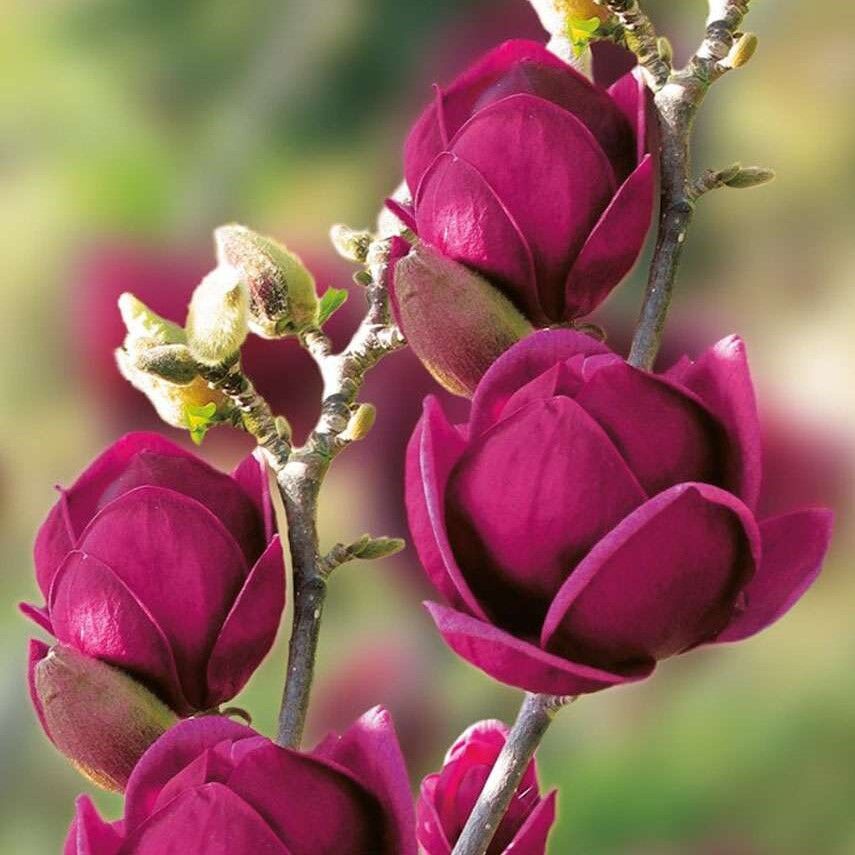 |
| Magnolia Sunrise | Magnolia Sunrise can reach a height of up to 2 m; the petals are creamy white with pinkish triangles at the base. Leaves are medium-sized, dark green. This plant has a long flowering period, which makes it an ideal choice for creating beautiful compositions in the garden or on the terrace. | 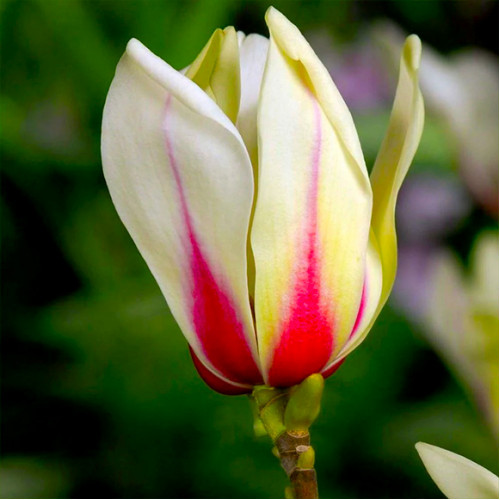 |
| Magnolia Alba | A spectacular decorative tree with creamy white, very fragrant flowers that attract attention with their delicate sweet aromatic note; thanks to this, the flowers are often used for garden decoration and in perfumery. | 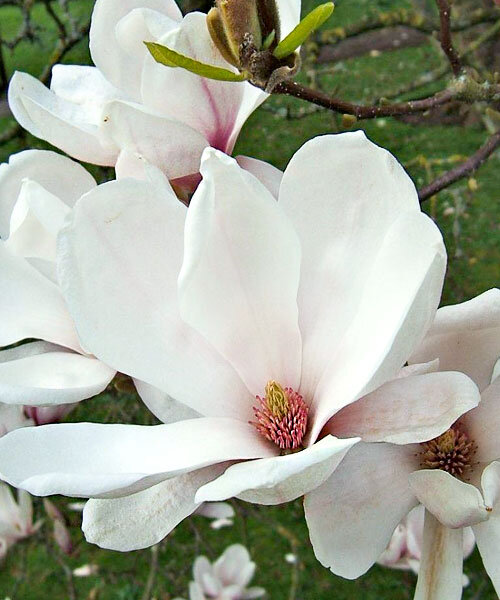 |
| Magnolia Galaxy | Magnolia Galaxy is a striking decorative deciduous tree with an elegant pyramidal shape and dark green foliage that creates a dense, expressive crown. In spring, in April–May, before the appearance of leaves, the branches are covered with large tulip-shaped flowers of a rich purple-pink shade, slightly fragrant and especially impressive in the garden landscape. | 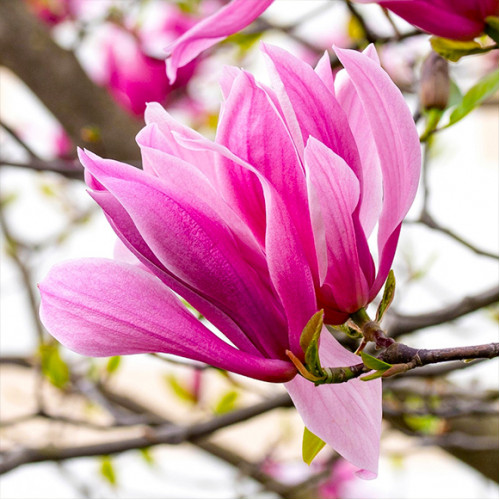 |
| Star Magnolia (Magnolia stellata) |
| Leaves are obovate, 6–10 cm long and 5 cm wide, light green or green, glossy. Flowering March–April. Blooms before leaf emergence. Star-shaped flowers with 12–15 (up to 40) petals, white, with a pleasant fragrance. |
| |
| Kobus Magnolia (Magnolia kobus) |
| Thanks to its numerous advantages and high decorative value, Kobus magnolia will decorate any place: gardens, urban landscapes, parks, squares, garden plots. Landscape designers recommend planting both in loose group plantings and as solitary specimens. |
| |
| Magnolia March Till Frost |
| Diameter 10–20 cm. Magnolias prefer places protected from wind and drafts. The best place for planting is a sunny site, in southern regions slightly shaded, with light fertile soil — optimally neutral to slightly acidic soil rich in organic matter. |
| |
| Magnolia Pickard Ruby |
| Fits harmoniously into conifer plantings. In such places it blooms especially brightly due to the light unusual for magnolias. Diameter 10–20 cm. Leaves are glossy, with a slightly wavy edge, deep dark green in color. The best place for planting is a sunny site with light fertile soil — optimally neutral to slightly acidic soil rich in organic matter. |
| |
| Magnolia Royal Purple |
| The flowers are fragrant, cup-shaped, and can grow up to 20 cm in diameter. Blooms in early and mid-season. Magnolias need places protected from wind and drafts. The best place for planting is a sunny, slightly shaded site with light fertile soil. |
| |
| Magnolia Rustica Rubra |
| Leaves are broadly oval and egg-shaped, rich green in color, slightly wavy. When Magnolia Rubra is fully covered with leaves, it has almost no competitors among deciduous trees and shrubs in terms of crown density. |
| |
| Magnolia Sentinel |
| A low tree with a spreading crown, whose graceful flexible branches of a smoky olive shade bend toward the ground. |
| |
| Magnolia First Love |
| A magnolia variety with a vertical growth form up to 4.5 m in height. Flowers are pink-purple on the outside and ivory-colored on the inside. Blooms very abundantly in spring, in late May to early June, simultaneously with leaf development. Prefers sunny areas protected from wind. The variety is very widely used to decorate balconies and terraces. |
| |
| Magnolia Blue Opal (greenish-blue flowers) |
| Magnolia “Blue Opal” is a decorative deciduous tree/shrub with attractive unusual flowers of a bluish-green shade, which when opening turn light yellow. Flowers appear simultaneously with leaf emergence in spring and create a striking accent in the garden. |
| |
| Magnolia Jenny |
| A decorative deciduous shrub or small tree with a compact crown, reaching approximately 2–3 m in height and 1.5–2 m in width. The flowers are large, tulip-shaped, rich burgundy-purple in shade, opening in spring before the appearance of foliage and creating a striking accent in the garden. |
| |
| Magnolia Sunrise |
| Magnolia Sunrise can reach a height of up to 2 m; the petals are creamy white with pinkish triangles at the base. Leaves are medium-sized, dark green. This plant has a long flowering period, which makes it an ideal choice for creating beautiful compositions in the garden or on the terrace. |
| |
| Magnolia Alba |
| A spectacular decorative tree with creamy white, very fragrant flowers that attract attention with their delicate sweet aromatic note; thanks to this, the flowers are often used for garden decoration and in perfumery. |
| |
| Magnolia Galaxy |
| Magnolia Galaxy is a striking decorative deciduous tree with an elegant pyramidal shape and dark green foliage that creates a dense, expressive crown. In spring, in April–May, before the appearance of leaves, the branches are covered with large tulip-shaped flowers of a rich purple-pink shade, slightly fragrant and especially impressive in the garden landscape. |
| |
RHODODENDRON SEEDLINGS
| Soft Pink Rhododendron “Midnight” | A very beautiful evergreen, medium-growing, dense shrub. From English, its name can be translated as “Mystical Midnight.” The flowers are white with a bright raspberry-colored border along the edge of the wavy petal and red speckles. The leaves are elliptical and green. | 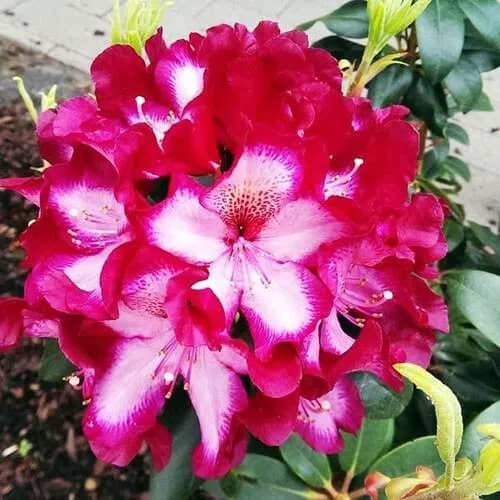 |
| White Rhododendron “Angel Wings” | One of the most beautifully flowering shrubs. Snow-white flowers give the shrub a special uniqueness and originality. It has a dense, rounded crown shape with strong vertically growing shoots. The leaves are small, glossy, olive-green in color. | 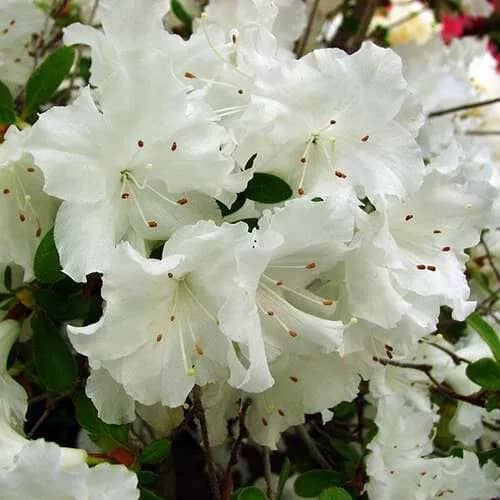 |
| Lilac Rhododendron “Blue Tit” | An evergreen, very dense, cushion-shaped shrub. The leaves are small, broadly elliptical, scaly on both sides. The flowers are small, violet-blue. One of the most valuable small-leaved and small-flowered evergreen rhododendron species. | 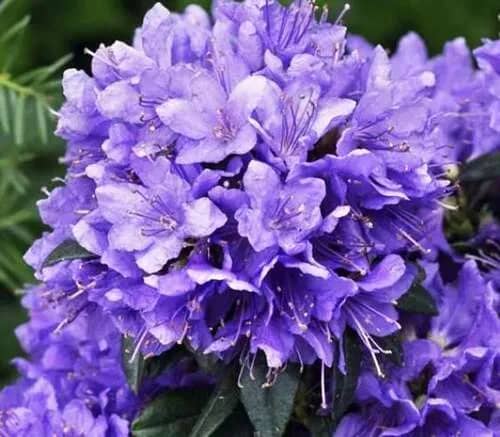 |
| Rhododendron “Calsap” | Rhododendron Calsap is a striking evergreen ornamental shrub with a dense crown and large glossy green leaves. In spring it is covered with luxurious inflorescences of white flowers decorated with a contrasting dark burgundy (pomegranate) spot in the center, which makes it especially attractive in gardens and flower beds. | 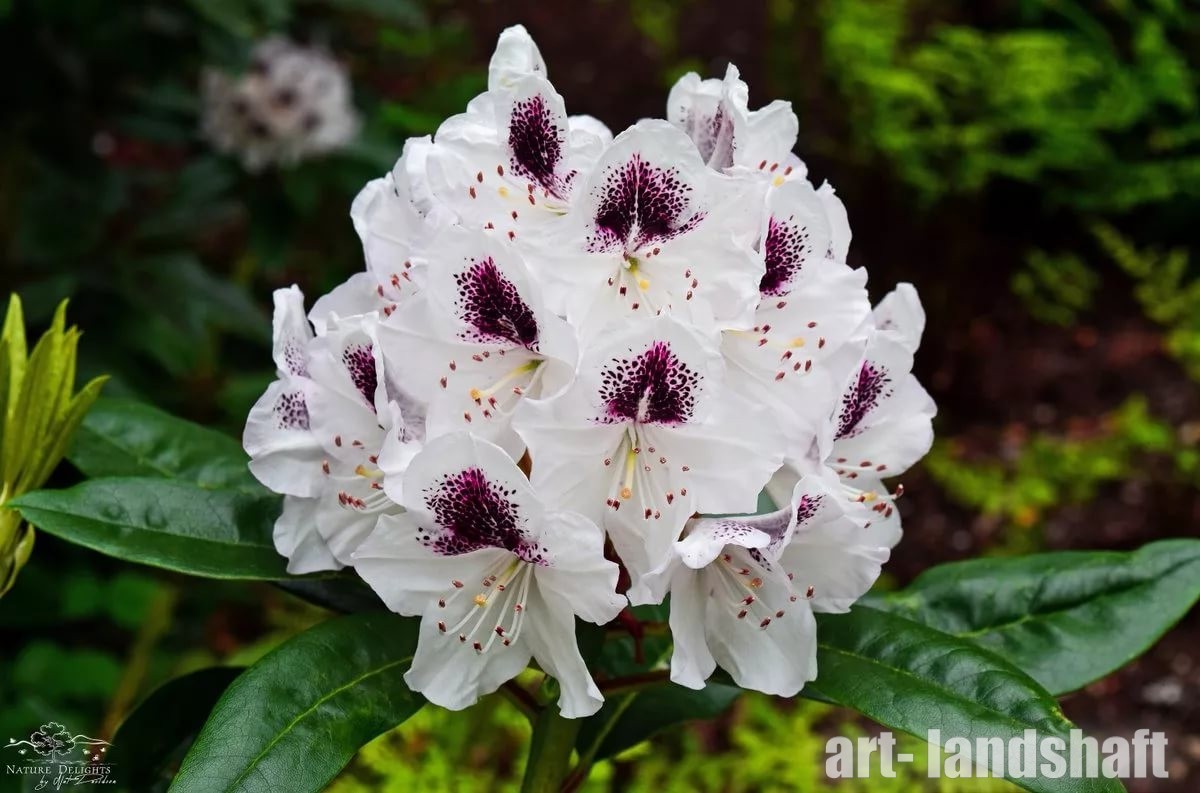 |
| Rhododendron “Sun Star” | Rhododendron Sun Star is a decorative deciduous rhododendron/azalea with showy bright yellow-orange flowers that bloom in spring and create a vivid accent in the garden. The shrub forms a compact, neat crown up to approximately 1–1.5 m high and is suitable for borders, flower beds, and mixed plantings. | 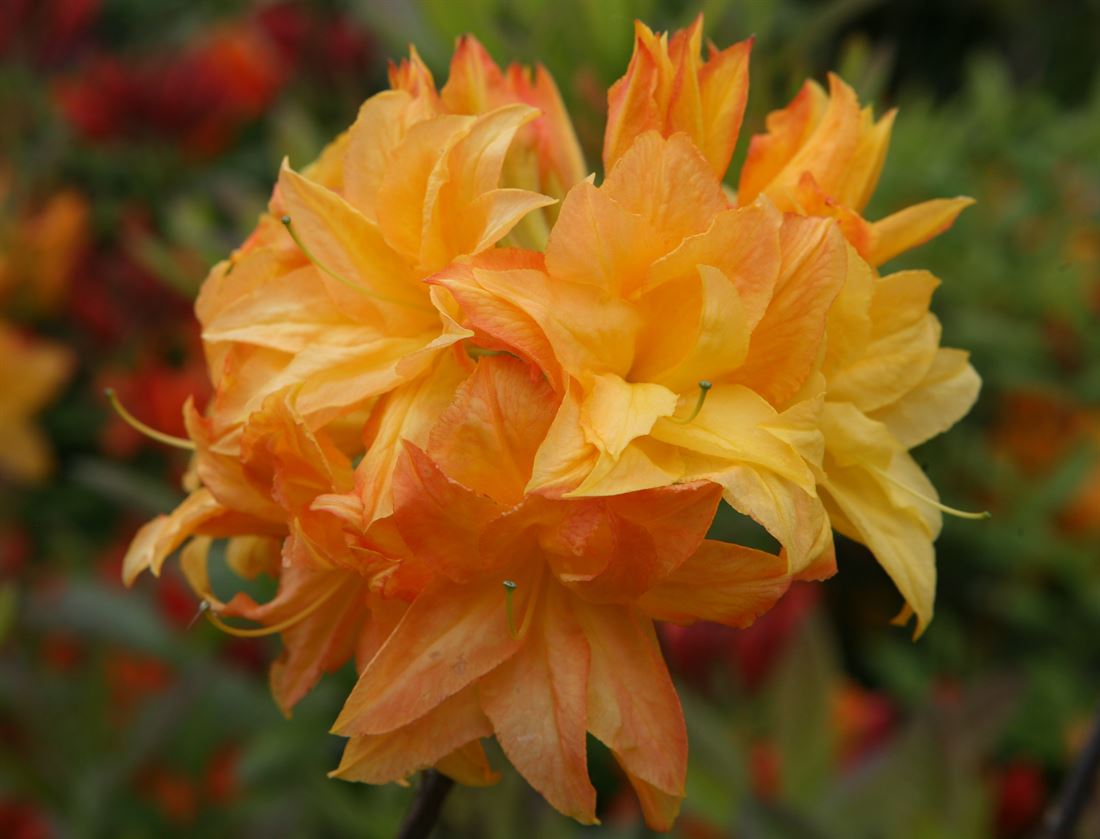 |
| Soft Pink Rhododendron “Midnight” |
| A very beautiful evergreen, medium-growing, dense shrub. From English, its name can be translated as “Mystical Midnight.” The flowers are white with a bright raspberry-colored border along the edge of the wavy petal and red speckles. The leaves are elliptical and green. |
| |
| White Rhododendron “Angel Wings” |
| One of the most beautifully flowering shrubs. Snow-white flowers give the shrub a special uniqueness and originality. It has a dense, rounded crown shape with strong vertically growing shoots. The leaves are small, glossy, olive-green in color. |
| |
| Lilac Rhododendron “Blue Tit” |
| An evergreen, very dense, cushion-shaped shrub. The leaves are small, broadly elliptical, scaly on both sides. The flowers are small, violet-blue. One of the most valuable small-leaved and small-flowered evergreen rhododendron species. |
| |
| Rhododendron “Calsap” |
| Rhododendron Calsap is a striking evergreen ornamental shrub with a dense crown and large glossy green leaves. In spring it is covered with luxurious inflorescences of white flowers decorated with a contrasting dark burgundy (pomegranate) spot in the center, which makes it especially attractive in gardens and flower beds. |
| |
| Rhododendron “Sun Star” |
| Rhododendron Sun Star is a decorative deciduous rhododendron/azalea with showy bright yellow-orange flowers that bloom in spring and create a vivid accent in the garden. The shrub forms a compact, neat crown up to approximately 1–1.5 m high and is suitable for borders, flower beds, and mixed plantings. |
| |
SWEET CHERRY SEEDLINGS
| SWEET CHERRY SEEDLINGS “GIANT RED” | The fruits of Giant Red sweet cherry are distinguished by impressive size — berry weight reaches up to 30 grams. The berries have a bright raspberry-red color and a sweet taste, making them ideal for fresh consumption. | 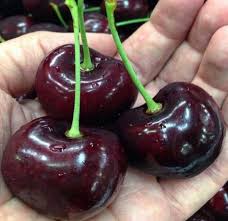 |
| SWEET CHERRY SEEDLINGS “STELLA” | The fruits are large, heart-shaped, dark red with a glossy sheen, juicy and sweet, perfectly suitable both for fresh consumption and for processing (preserves, compotes, jams). The tree forms a compact crown with slender branches and blooms abundantly with white fragrant flowers in spring, and in summer creates a striking decorative accent in the garden. Stella is a reliable variety with good productivity, popular both in home gardens and in commercial plantings. | 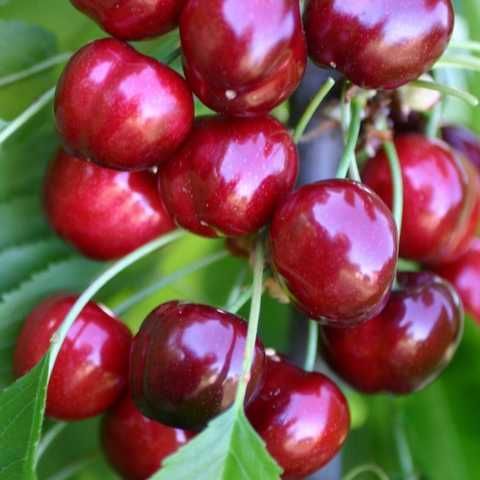 |
| SWEET CHERRY SEEDLINGS “LAPINS” | A popular sweet variety of Canadian breeding, known for large dark-red, firm, and juicy berries with a rich flavor. The berries store well and are resistant to cracking, which makes them excellent both for fresh consumption and for processing. | 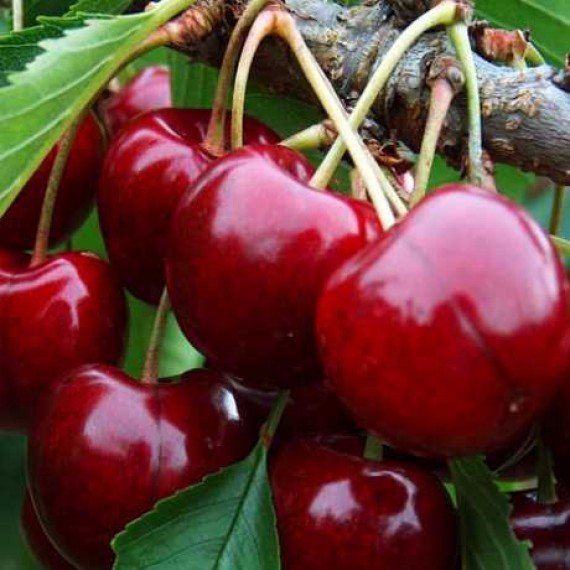 |
| SWEET CHERRY SEEDLINGS “BING” | Bing sweet cherry is one of the most popular sweet cherry varieties in the world, known for its large, dark-red, almost black berries with a rich sweet taste and juicy, firm flesh. The fruits have a characteristic heart-shaped form and are perfectly suited for fresh consumption, desserts, preservation, and baking. | 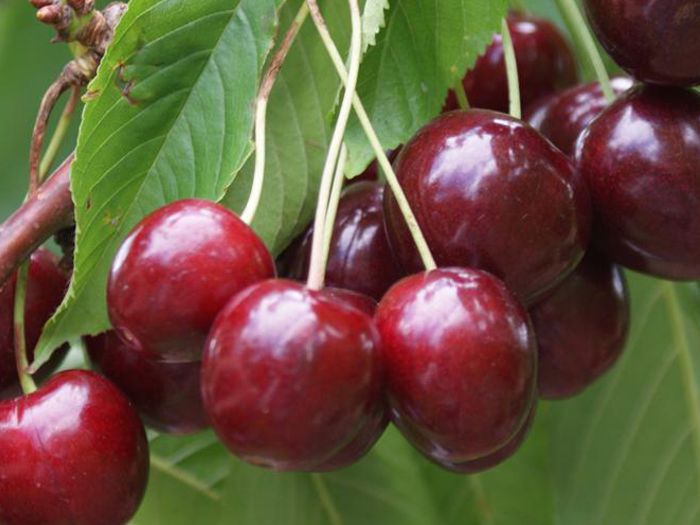 |
| SWEET CHERRY SEEDLINGS “RAINIER” | Rainier sweet cherry is one of the most popular dessert sweet cherry varieties, known for its bright large fruits with yellow skin and a pink-red blush. The berries have thin skin, dense creamy-yellow flesh, and a very sweet, delicate taste, making them especially valuable for fresh consumption and desserts. | 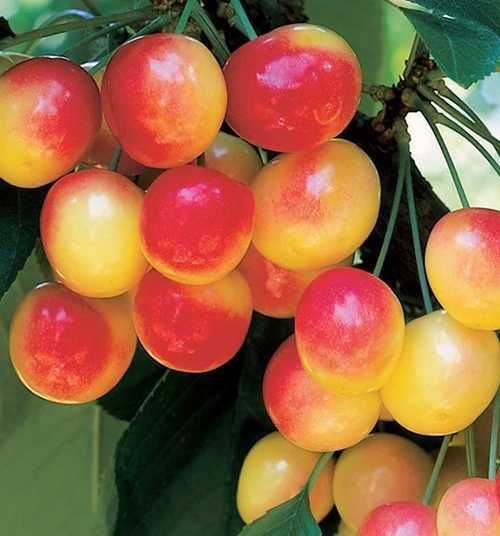 |
| SWEET CHERRY SEEDLINGS “SWEET HEART” | Sweet Heart sweet cherry is a Canadian self-fertile and productive variety, well suited for garden cultivation and producing a stable harvest even when a single tree is planted. The fruits are large, dark red, heart-shaped, with dense, juicy, and very sweet flesh with a pleasant dessert taste. The skin is glossy, cracking tendency is low, and the berries transport well. | 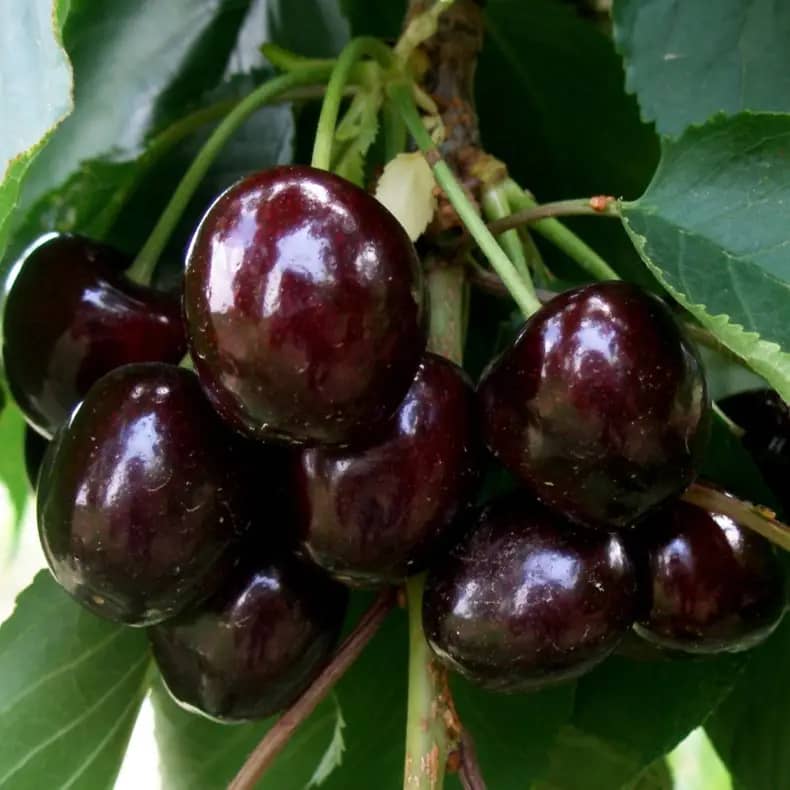 |
| SWEET CHERRY SEEDLINGS “CHELAN” | The fruits have a deep mahogany-red color, a rounded heart-shaped form, and dense, juicy flesh with a rich sweet taste, perfectly suited for fresh consumption, desserts, or preserves. This variety also has good resistance to fruit cracking, and the tree forms an elongated, stable crown and blooms abundantly with pink-white flowers in spring. | 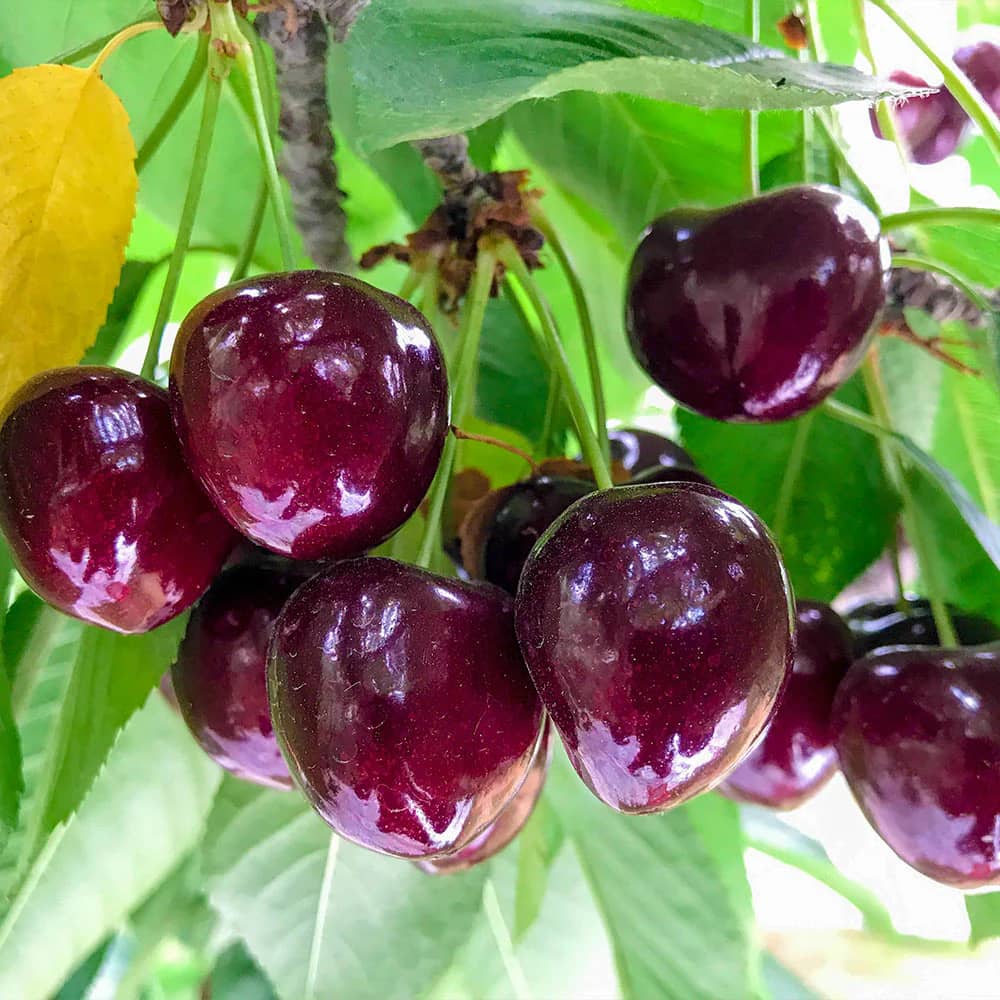 |
| SWEET CHERRY SEEDLINGS “GIANT RED” |
| The fruits of Giant Red sweet cherry are distinguished by impressive size — berry weight reaches up to 30 grams. The berries have a bright raspberry-red color and a sweet taste, making them ideal for fresh consumption. |
| |
| SWEET CHERRY SEEDLINGS “STELLA” |
| The fruits are large, heart-shaped, dark red with a glossy sheen, juicy and sweet, perfectly suitable both for fresh consumption and for processing (preserves, compotes, jams). The tree forms a compact crown with slender branches and blooms abundantly with white fragrant flowers in spring, and in summer creates a striking decorative accent in the garden. Stella is a reliable variety with good productivity, popular both in home gardens and in commercial plantings. |
| |
| SWEET CHERRY SEEDLINGS “LAPINS” |
| A popular sweet variety of Canadian breeding, known for large dark-red, firm, and juicy berries with a rich flavor. The berries store well and are resistant to cracking, which makes them excellent both for fresh consumption and for processing. |
| |
| SWEET CHERRY SEEDLINGS “BING” |
| Bing sweet cherry is one of the most popular sweet cherry varieties in the world, known for its large, dark-red, almost black berries with a rich sweet taste and juicy, firm flesh. The fruits have a characteristic heart-shaped form and are perfectly suited for fresh consumption, desserts, preservation, and baking. |
| |
| SWEET CHERRY SEEDLINGS “RAINIER” |
| Rainier sweet cherry is one of the most popular dessert sweet cherry varieties, known for its bright large fruits with yellow skin and a pink-red blush. The berries have thin skin, dense creamy-yellow flesh, and a very sweet, delicate taste, making them especially valuable for fresh consumption and desserts. |
| |
| SWEET CHERRY SEEDLINGS “SWEET HEART” |
| Sweet Heart sweet cherry is a Canadian self-fertile and productive variety, well suited for garden cultivation and producing a stable harvest even when a single tree is planted. The fruits are large, dark red, heart-shaped, with dense, juicy, and very sweet flesh with a pleasant dessert taste. The skin is glossy, cracking tendency is low, and the berries transport well. |
| |
| SWEET CHERRY SEEDLINGS “CHELAN” |
| The fruits have a deep mahogany-red color, a rounded heart-shaped form, and dense, juicy flesh with a rich sweet taste, perfectly suited for fresh consumption, desserts, or preserves. This variety also has good resistance to fruit cracking, and the tree forms an elongated, stable crown and blooms abundantly with pink-white flowers in spring. |
| |
PASSION FRUIT SEEDS
| PASSION FRUIT SEEDS “BLUE PASSIFLORA” | Passiflora caerulea, known as blue passionflower or blue passion vine, is a spectacular climbing vine with large decorative flowers that have white petals and a complex crown of blue, white, and violet filaments. After flowering, orange-yellow passion fruit fruits appear on the plant. | 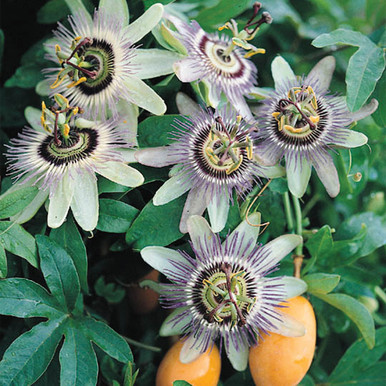 |
| PASSION FRUIT SEEDS “ALATA RED” | Passiflora alata “Alata Red” is an exotic climbing vine known for its bright large flowers and edible fruits with a rich sweet-and-sour taste. The fruits have an exotic aroma and flavor notes reminiscent of sweet pineapple with a light sourness. | 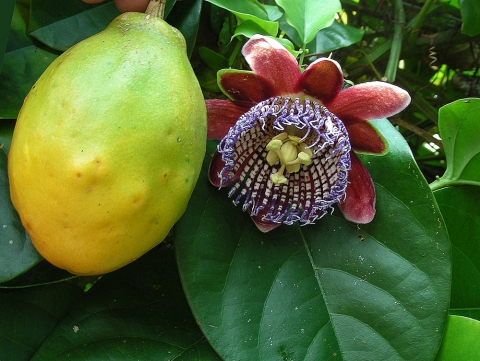 |
| PASSION FRUIT SEEDS “WHITE” | Passion Fruit White is a fruit-bearing climbing vine from the passionflower genus (Passiflora) with showy white or light-colored flowers that decorate the garden and create an exotic atmosphere. The plant forms bright fragrant flowers, followed by edible fruits with thin skin and juicy, aromatic pulp. | 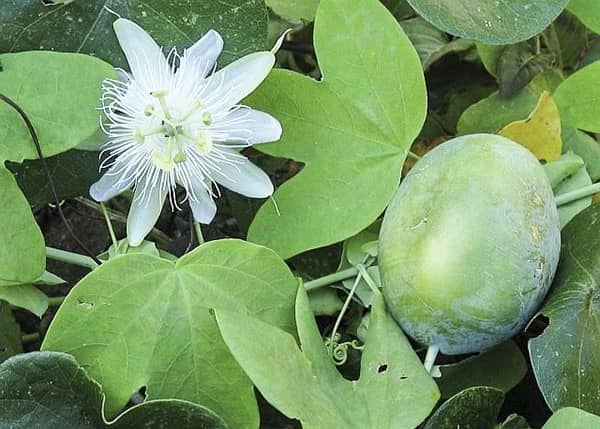 |
| PASSION FRUIT SEEDS “LAVENDER LADY” | Passiflora ‘Lavender Lady’ is a striking climbing vine from the passionflower family with large lavender-purple flowers and characteristic thread-like filaments around the center that give it an exotic, almost tropical appearance. Flowering continues from summer to autumn, and orange fruits often appear afterward. | 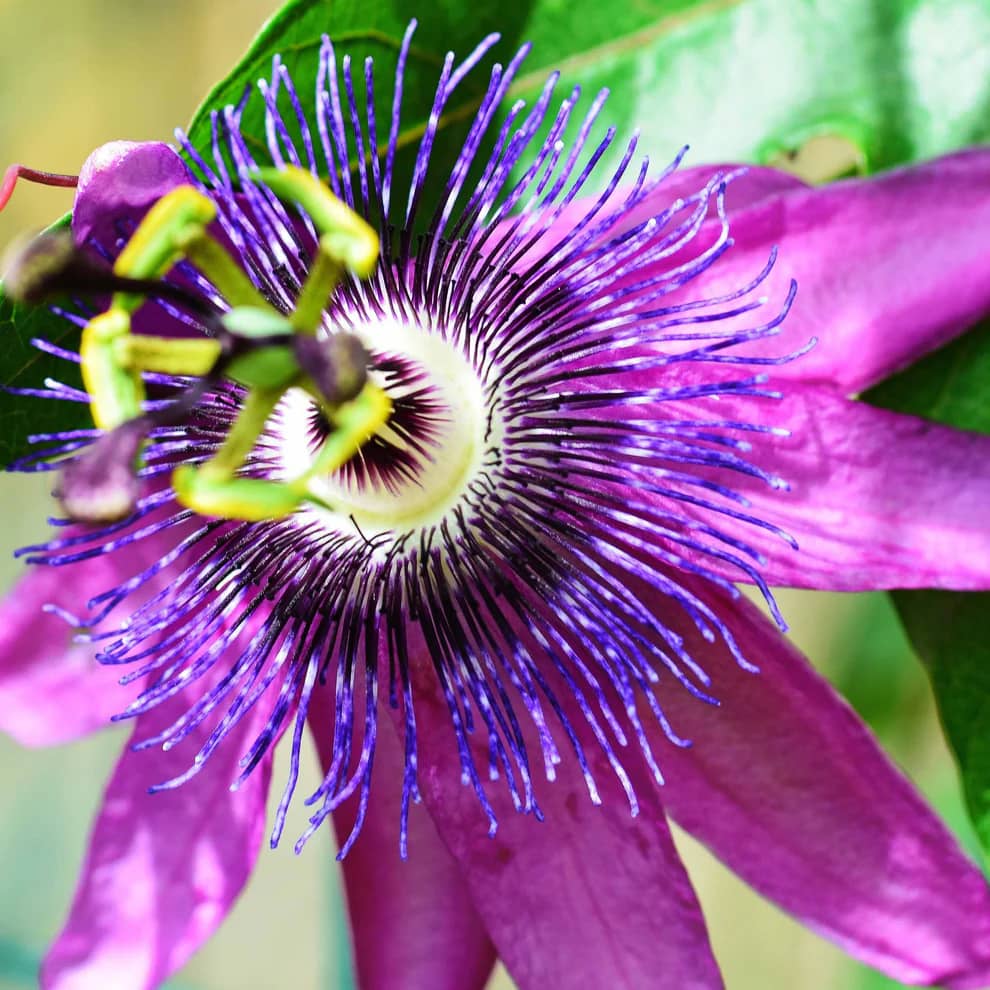 |
| PASSION FRUIT SEEDS “PURPLE” | Passion Purple is a climbing passionflower vine (Passiflora) that decorates gardens, terraces, or pergolas with large and striking purple-pink flowers with contrasting thread-like coronas. Such hybrids are distinguished by rich and prolonged flowering in the summer season, and dark green palmately lobed leaves create a beautiful background for the bright flowers. | 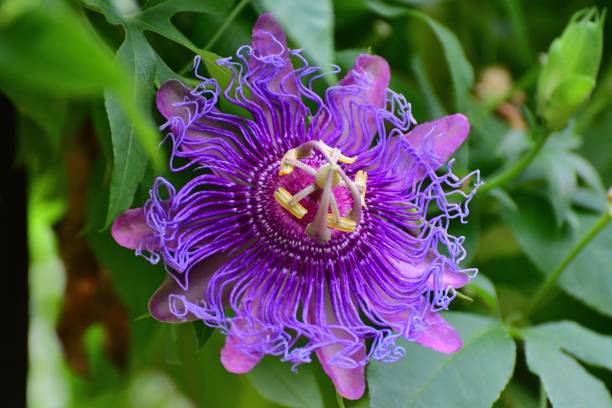 |
| PASSION FRUIT SEEDS “BLUE PASSIFLORA” |
| Passiflora caerulea, known as blue passionflower or blue passion vine, is a spectacular climbing vine with large decorative flowers that have white petals and a complex crown of blue, white, and violet filaments. After flowering, orange-yellow passion fruit fruits appear on the plant. |
| |
| PASSION FRUIT SEEDS “ALATA RED” |
| Passiflora alata “Alata Red” is an exotic climbing vine known for its bright large flowers and edible fruits with a rich sweet-and-sour taste. The fruits have an exotic aroma and flavor notes reminiscent of sweet pineapple with a light sourness. |
| |
| PASSION FRUIT SEEDS “WHITE” |
| Passion Fruit White is a fruit-bearing climbing vine from the passionflower genus (Passiflora) with showy white or light-colored flowers that decorate the garden and create an exotic atmosphere. The plant forms bright fragrant flowers, followed by edible fruits with thin skin and juicy, aromatic pulp. |
| |
| PASSION FRUIT SEEDS “LAVENDER LADY” |
| Passiflora ‘Lavender Lady’ is a striking climbing vine from the passionflower family with large lavender-purple flowers and characteristic thread-like filaments around the center that give it an exotic, almost tropical appearance. Flowering continues from summer to autumn, and orange fruits often appear afterward. |
| |
| PASSION FRUIT SEEDS “PURPLE” |
| Passion Purple is a climbing passionflower vine (Passiflora) that decorates gardens, terraces, or pergolas with large and striking purple-pink flowers with contrasting thread-like coronas. Such hybrids are distinguished by rich and prolonged flowering in the summer season, and dark green palmately lobed leaves create a beautiful background for the bright flowers. |
| |
BUSH MULBERRY
| Mulberry Galicia | The Galicia mulberry variety is an unpretentious tree of our breeding, ideally suited for gardeners striving for high yield and decorative value. | 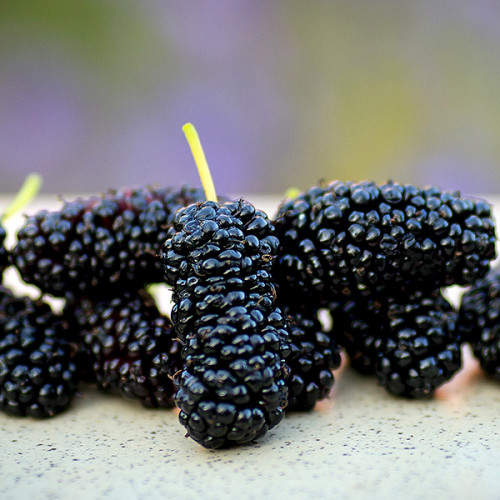 |
| Black Mulberry Baroness | The Black Baroness mulberry variety is an early, self-fertile variety suitable for cultivation in almost all regions due to its high adaptability to various climatic conditions. | 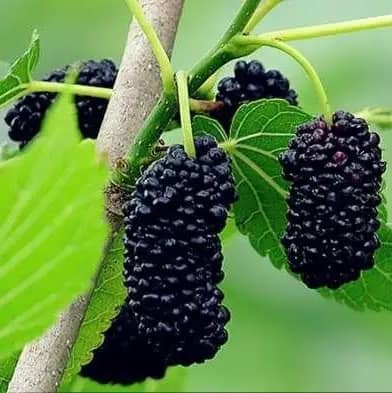 |
| Mulberry Black Prince | The “Black Prince” mulberry is one of the best late-ripening varieties, valued for high productivity and rich flavor. The berries are large, elongated, dark violet, almost black, reaching up to 5 cm in length. The flesh is dense, sweet, with a light sourness, very juicy and aromatic. | 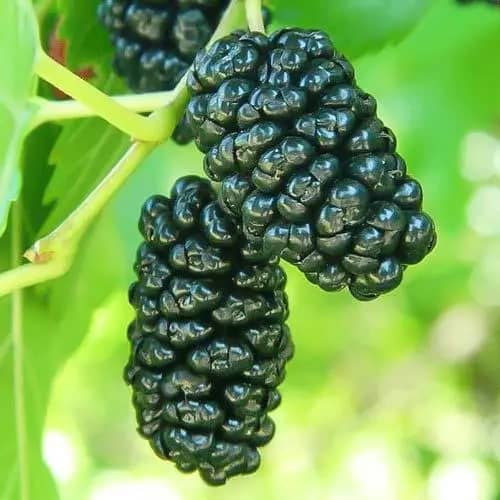 |
| Mulberry Shelley | The “Shelley” mulberry variety is a high-yielding and time-tested variety bred by breeder L. I. Prokazin. It is valued for outstanding taste qualities and impressive fruit size: berries can reach up to 5.5 cm in length. Their taste is rich sweet-and-sour, harmonious and refreshing, with a light fruity aftertaste. | 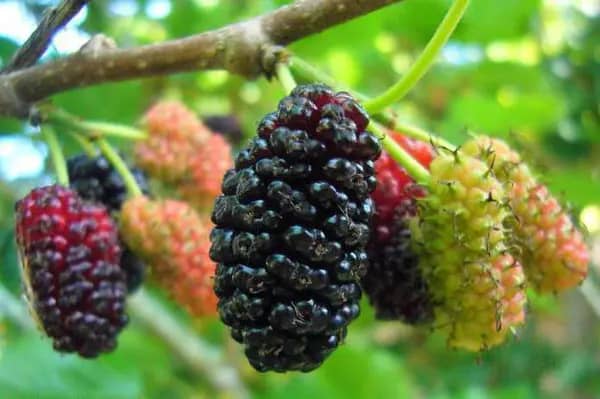 |
| Mulberry Istanbul | The “Istanbul Black” mulberry variety is one of the most popular mid-late varieties, valued for consistently high yields and attractive large fruits. The berries are dark violet, almost black, fleshy and dense, with a rich sweet taste and pleasant aroma. They are convenient to harvest and transport due to good keeping quality. | 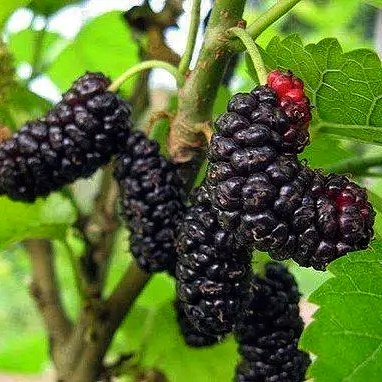 |
| Mulberry Galicia |
| The Galicia mulberry variety is an unpretentious tree of our breeding, ideally suited for gardeners striving for high yield and decorative value. |
| |
| Black Mulberry Baroness |
| The Black Baroness mulberry variety is an early, self-fertile variety suitable for cultivation in almost all regions due to its high adaptability to various climatic conditions. |
| |
| Mulberry Black Prince |
| The “Black Prince” mulberry is one of the best late-ripening varieties, valued for high productivity and rich flavor. The berries are large, elongated, dark violet, almost black, reaching up to 5 cm in length. The flesh is dense, sweet, with a light sourness, very juicy and aromatic. |
| |
| Mulberry Shelley |
| The “Shelley” mulberry variety is a high-yielding and time-tested variety bred by breeder L. I. Prokazin. It is valued for outstanding taste qualities and impressive fruit size: berries can reach up to 5.5 cm in length. Their taste is rich sweet-and-sour, harmonious and refreshing, with a light fruity aftertaste. |
| |
| Mulberry Istanbul |
| The “Istanbul Black” mulberry variety is one of the most popular mid-late varieties, valued for consistently high yields and attractive large fruits. The berries are dark violet, almost black, fleshy and dense, with a rich sweet taste and pleasant aroma. They are convenient to harvest and transport due to good keeping quality. |
| |
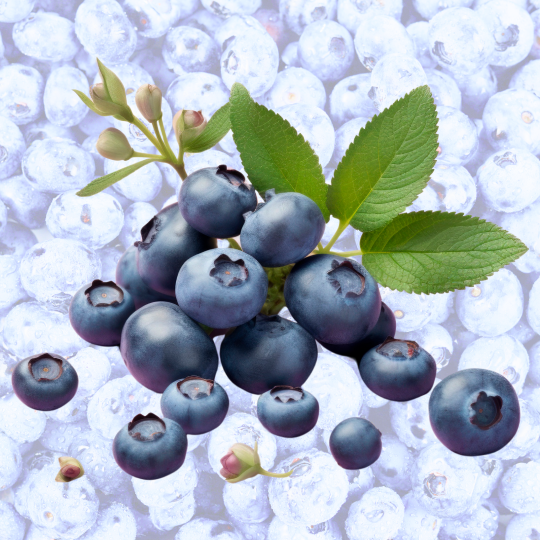
BLUEBERRY SEEDLINGS
| Blueberry “Bluecrop” | Blueberry Bluecrop is the best industrial variety of medium-late ripening period (second–third decade of July). It is considered the standard for blueberry cultivation and one of the main industrial varieties of Europe. The bush is tall and requires periodic pruning, reaching a height of 1.7–2.0 m; shoots grow upward. The berries are large, up to 18 mm in diameter, flattened in shape, and gathered in small clusters. | 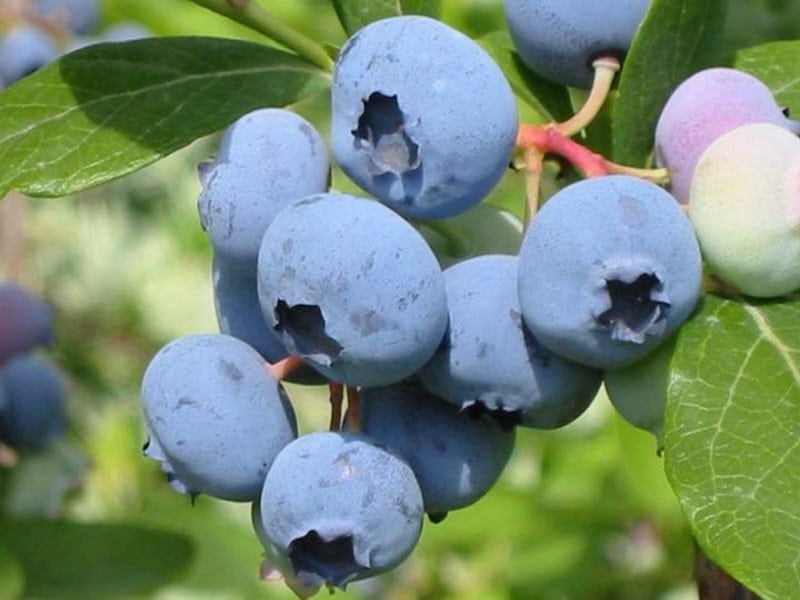 |
| Blueberry “Jersey” | Jersey berries are small, light blue, and round in shape. Thanks to their delicate sweet taste, they are well suited for processing: home baking, jam, and compotes. In addition, the harvest stores well and is suitable for freezing. Bush height is 1.5–2 meters. Berry ripening occurs in mid-August. The bush is upright, 1.6–2.0 m high. | 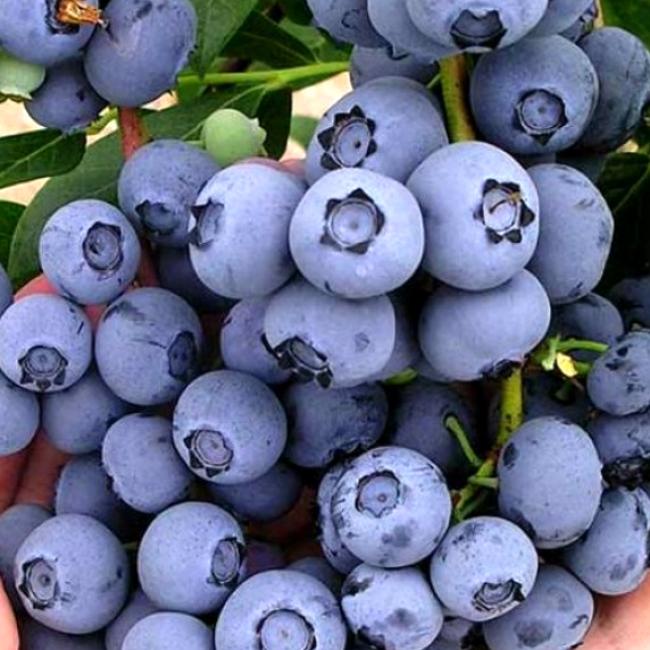 |
| Blueberry “Denise Blue” | Denise Blue is one of the newer varieties originating from Australia. A major advantage of this Canadian blueberry is that it is self-pollinating, requiring only one plant. The yield of an adult bush is 7–8 kg. The fruits are very aromatic and do not crack during harvest. This variety is highly disease-resistant. Although bred for the climate of Southern Australia, it also performs well in our low and medium zones. The plant can be grown in a large pot on balconies or terraces. | 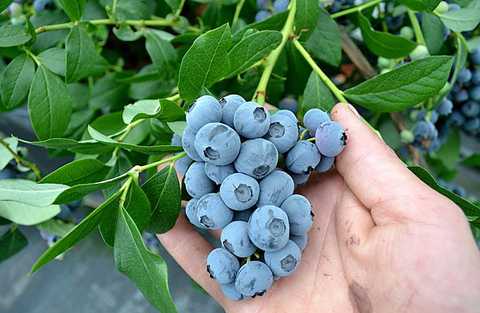 |
| Blueberry “Northblue” | The variety was developed as part of a blueberry breeding program organized by the U.S. Department of State in 1973. “Northblue” gained popularity among gardeners due to its low-growing and frost-resistant bushes. The bush reaches up to 1 meter in height and is dense. The yield of “Northblue” is on par with tall varieties. The fruits have excellent taste qualities and can be frozen, processed, or eaten fresh. | 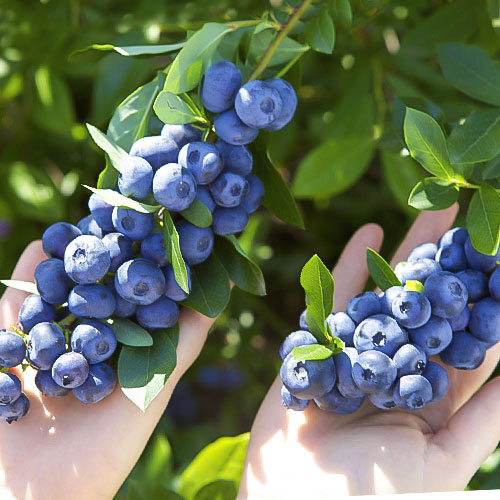 |
| Blueberry “Goldblue” | Bush height can reach 1.2–1.5 meters. Goldblue blueberry blooms with charming small bell-shaped flowers of white-pink color, gathered in inflorescences of 8–10 flowers each. Among the positive qualities of the Goldblue garden blueberry is its good drought tolerance. The variety is able to withstand short dry periods without significant loss of growth or yield, provided basic soil moisture is maintained. Goldblue adapts well to warm and moderately dry conditions, making it suitable for regions with limited or irregular rainfall. | 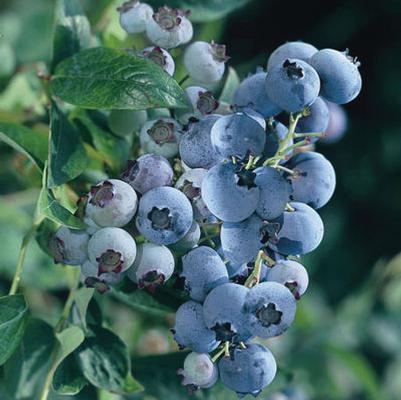 |
| Blueberry “Bonus” | Bonus blueberry is one of the largest-fruited among all existing selections and the most in-demand medium-ripening variety. The bush is powerful, with strong upright shoots, vigorous growth up to 1.5–1.7 m in height and spreading about 1.2 m in diameter. A very productive and promising selection bred in the USA by Michigan State University breeders. It is grown as a main industrial variety on many plantations in America and Europe. Yield per bush reaches up to 8 kg. | 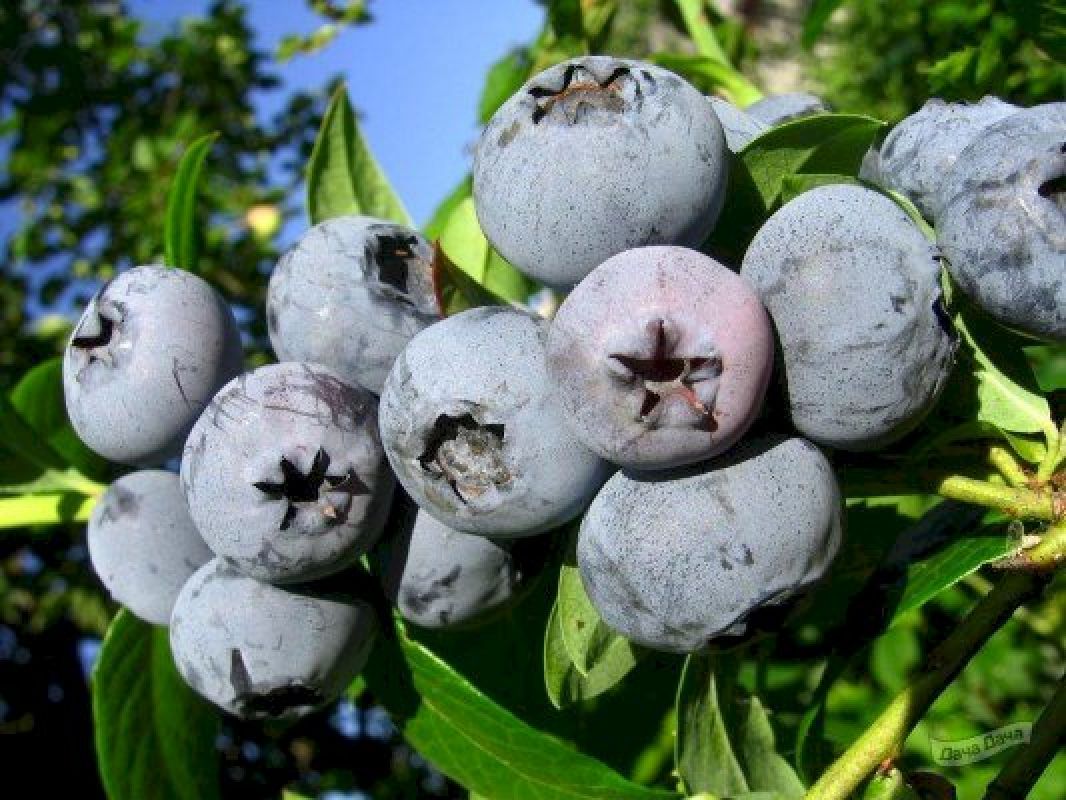 |
| Blueberry “Patriot” | Patriot blueberry is one of the most in-demand large-fruited industrial varieties of medium-early ripening. The bush is vigorous, with numerous strong shoots, growing to 140–180 cm in height. The berries are very large, up to 18 mm in diameter, flattened in shape, with dense blue skin and a light waxy coating, aromatic, with high taste qualities. The leaves are dark green, thin, and elongated. Yield is very high — 4.5–8 kg per bush. | 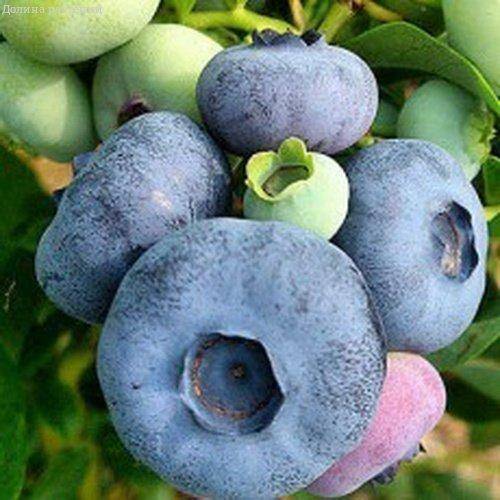 |
| Blueberry “Bluecrop” |
| Blueberry Bluecrop is the best industrial variety of medium-late ripening period (second–third decade of July). It is considered the standard for blueberry cultivation and one of the main industrial varieties of Europe. The bush is tall and requires periodic pruning, reaching a height of 1.7–2.0 m; shoots grow upward. The berries are large, up to 18 mm in diameter, flattened in shape, and gathered in small clusters. |
| |
| Blueberry “Jersey” |
| Jersey berries are small, light blue, and round in shape. Thanks to their delicate sweet taste, they are well suited for processing: home baking, jam, and compotes. In addition, the harvest stores well and is suitable for freezing. Bush height is 1.5–2 meters. Berry ripening occurs in mid-August. The bush is upright, 1.6–2.0 m high. |
| |
| Blueberry “Denise Blue” |
| Denise Blue is one of the newer varieties originating from Australia. A major advantage of this Canadian blueberry is that it is self-pollinating, requiring only one plant. The yield of an adult bush is 7–8 kg. The fruits are very aromatic and do not crack during harvest. This variety is highly disease-resistant. Although bred for the climate of Southern Australia, it also performs well in our low and medium zones. The plant can be grown in a large pot on balconies or terraces. |
| |
| Blueberry “Northblue” |
| The variety was developed as part of a blueberry breeding program organized by the U.S. Department of State in 1973. “Northblue” gained popularity among gardeners due to its low-growing and frost-resistant bushes. The bush reaches up to 1 meter in height and is dense. The yield of “Northblue” is on par with tall varieties. The fruits have excellent taste qualities and can be frozen, processed, or eaten fresh. |
| |
| Blueberry “Goldblue” |
| Bush height can reach 1.2–1.5 meters. Goldblue blueberry blooms with charming small bell-shaped flowers of white-pink color, gathered in inflorescences of 8–10 flowers each. Among the positive qualities of the Goldblue garden blueberry is its good drought tolerance. The variety is able to withstand short dry periods without significant loss of growth or yield, provided basic soil moisture is maintained. Goldblue adapts well to warm and moderately dry conditions, making it suitable for regions with limited or irregular rainfall. |
| |
| Blueberry “Bonus” |
| Bonus blueberry is one of the largest-fruited among all existing selections and the most in-demand medium-ripening variety. The bush is powerful, with strong upright shoots, vigorous growth up to 1.5–1.7 m in height and spreading about 1.2 m in diameter. A very productive and promising selection bred in the USA by Michigan State University breeders. It is grown as a main industrial variety on many plantations in America and Europe. Yield per bush reaches up to 8 kg. |
| |
| Blueberry “Patriot” |
| Patriot blueberry is one of the most in-demand large-fruited industrial varieties of medium-early ripening. The bush is vigorous, with numerous strong shoots, growing to 140–180 cm in height. The berries are very large, up to 18 mm in diameter, flattened in shape, with dense blue skin and a light waxy coating, aromatic, with high taste qualities. The leaves are dark green, thin, and elongated. Yield is very high — 4.5–8 kg per bush. |
| |
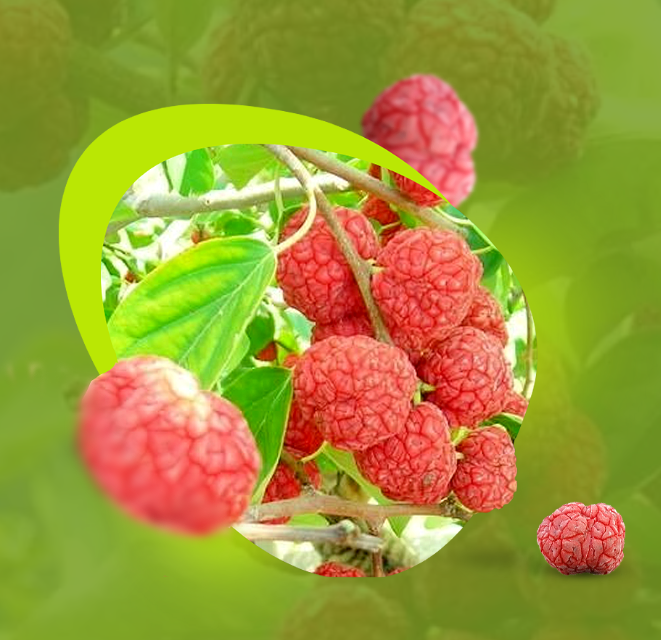
STRAWBERRY TREE
| Strawberry Tree “Nanaka” | Strawberry tree Nanaka is a fruit-bearing deciduous tree with a wide spreading crown, reaching up to 5–6 m in height. This plant from the mulberry family is valued for its bright red or burgundy heart-shaped fruits. | 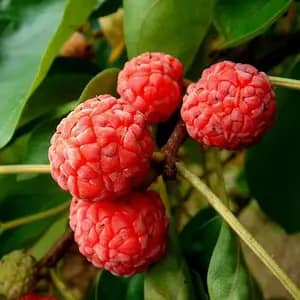 |
| Strawberry Tree “Rudra” | The plant attracts attention with its large bright red or burgundy-red edible fruits about 2.5–5 cm in diameter, resembling strawberries or mulberries, with sweet juicy flesh and an aroma similar to melon or fig. | 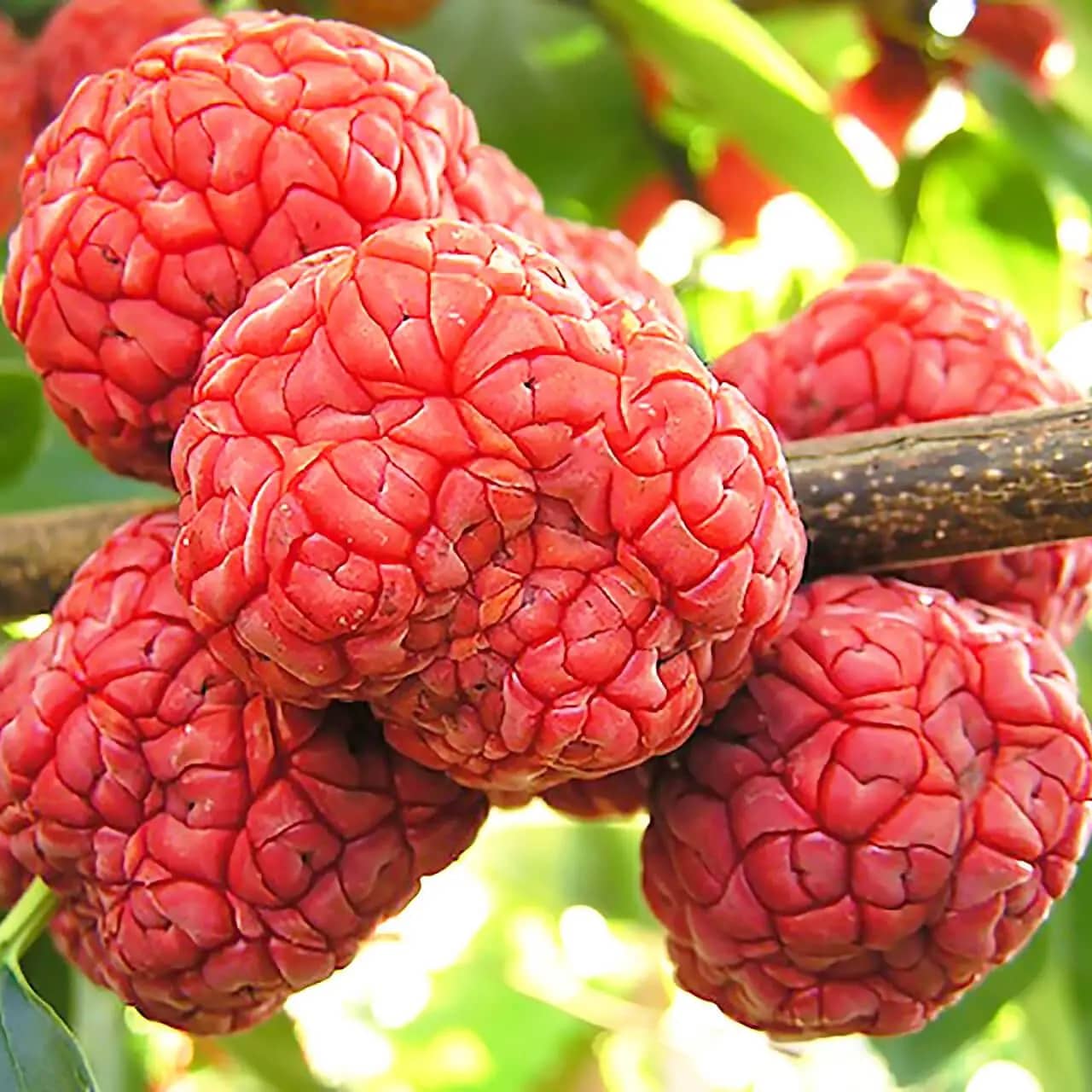 |
| Strawberry Tree “Burgundy” | Strawberry tree Burgundy is a striking deciduous fruit tree from the cudrania genus, grown for its tasty bright red berries and decorative appearance. The berries are round, raspberry or burgundy-red, juicy and sweet with a tropical fruit aroma, easily consumed fresh and suitable for desserts or preservation. | 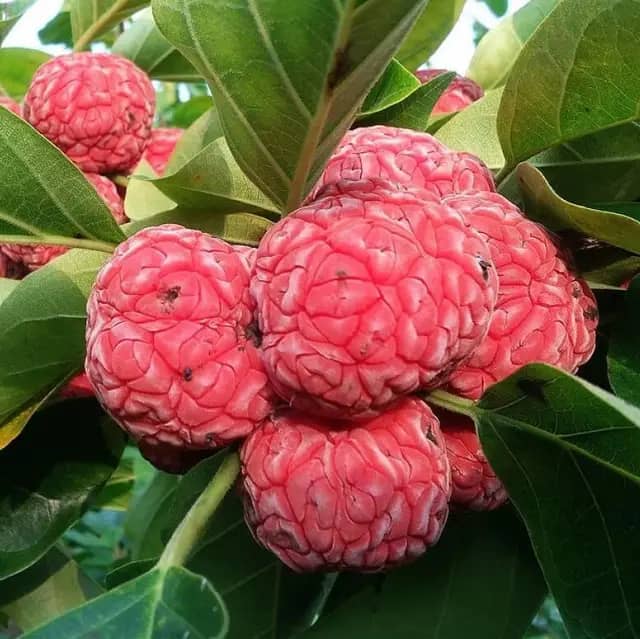 |
| Strawberry Tree “Mulle” | Strawberry tree Mulle is an exotic fruit tree that combines the beauty of an ornamental plant with a generous harvest of original berries. Its crown is wide and airy, and the leaves are bright green, creating a picturesque accent in the garden. |  |
| Strawberry Tree “Nanaka” |
| Strawberry tree Nanaka is a fruit-bearing deciduous tree with a wide spreading crown, reaching up to 5–6 m in height. This plant from the mulberry family is valued for its bright red or burgundy heart-shaped fruits. |
| |
| Strawberry Tree “Rudra” |
| The plant attracts attention with its large bright red or burgundy-red edible fruits about 2.5–5 cm in diameter, resembling strawberries or mulberries, with sweet juicy flesh and an aroma similar to melon or fig. |
| |
| Strawberry Tree “Burgundy” |
| Strawberry tree Burgundy is a striking deciduous fruit tree from the cudrania genus, grown for its tasty bright red berries and decorative appearance. The berries are round, raspberry or burgundy-red, juicy and sweet with a tropical fruit aroma, easily consumed fresh and suitable for desserts or preservation. |
| |
| Strawberry Tree “Mulle” |
| Strawberry tree Mulle is an exotic fruit tree that combines the beauty of an ornamental plant with a generous harvest of original berries. Its crown is wide and airy, and the leaves are bright green, creating a picturesque accent in the garden. |
| |
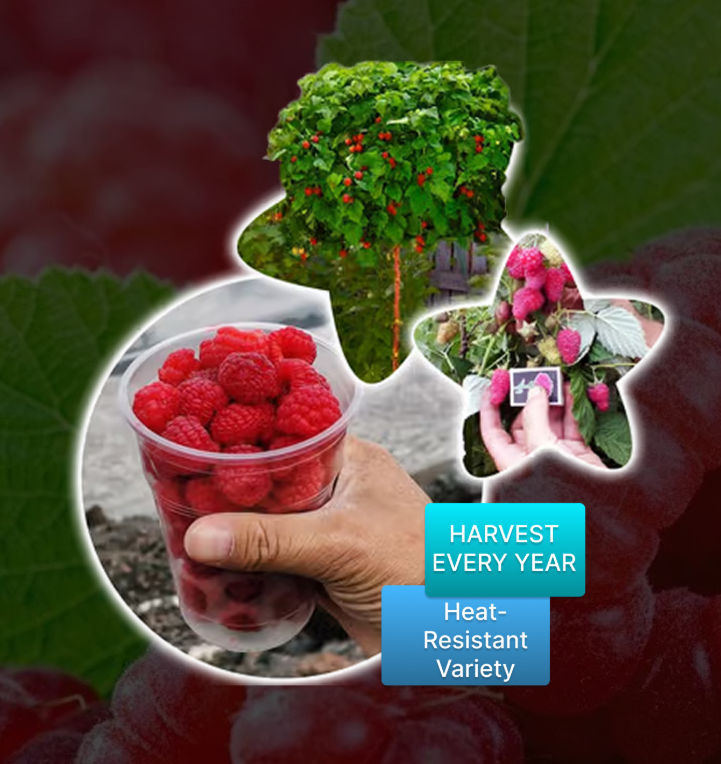
RASPBERRY TREE
| Raspberry Tree “Elbrus” | The berries of the raspberry tree “Elbrus” are significantly larger than ordinary raspberries. They are deep scarlet in color, firm, aromatic, and very tasty. One bush can yield a bucket of berries — and this is no exaggeration. The high productivity of the “Elbrus” raspberry tree is explained by the increased strength of the stem, which reliably supports the heavy crop. The variety is well adapted to hot and dry climates: it tolerates high temperatures and short periods of drought, maintaining stable fruiting with regular irrigation. “Elbrus” performs well in the climatic conditions of Egypt, where heat resistance and strong shoots are especially important for successful cultivation. | 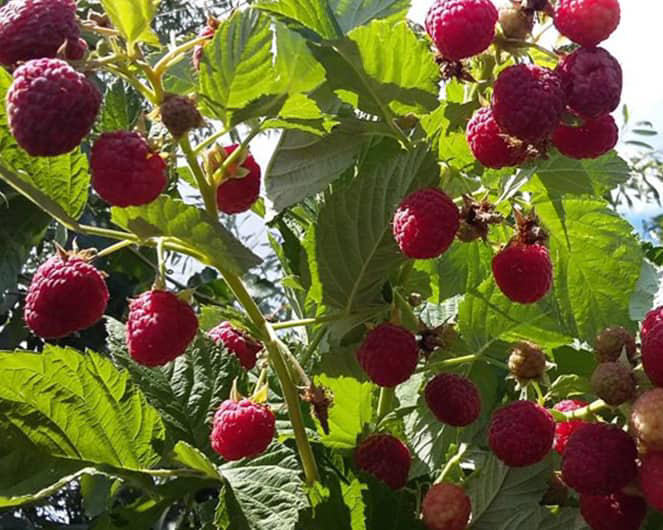 |
| Raspberry Tree “Goldie” | Raspberry tree Goldie is a decorative and fruit-bearing deciduous tree with a wide spreading crown and bright juicy fruits. The berries are rich yellow, sweet and aromatic, with light fruity notes, ideally suited for fresh consumption, desserts, and jams. The plant is unpretentious to soils, prefers sunny locations, and becomes a striking accent in any garden. | 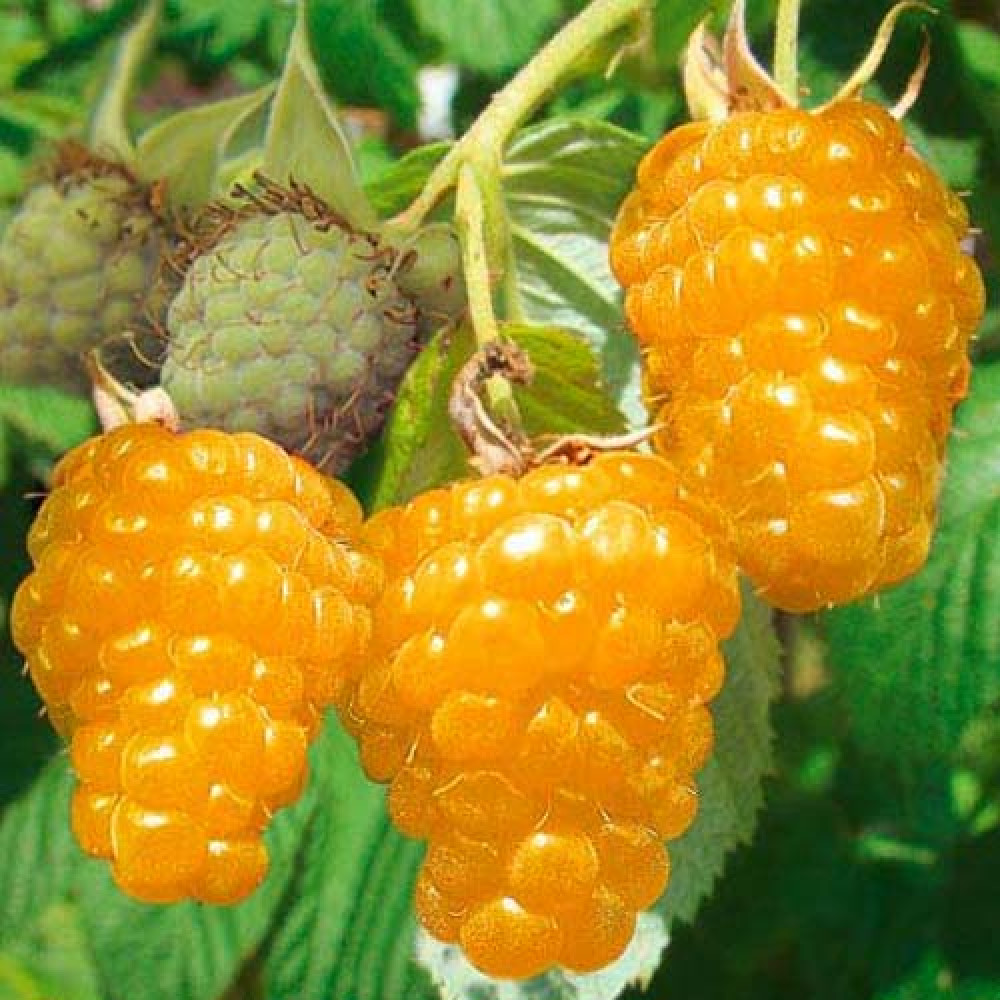 |
| Raspberry Tree “Eurasia” | A popular raspberry tree variety thanks to its powerful upright standard-type bushes (1.4–1.8 m) that do not require tying, with large, firm, sweet-and-sour berries, high productivity, excellent transportability, and good disease resistance. The variety is well adapted to hot climates: it tolerates high temperatures and short dry periods, showing stable growth and fruiting with regular irrigation. It produces crops twice per season (from last year’s and young shoots), is unpretentious, decorative, and well suited for cultivation in the climatic conditions of Egypt, making it a universal choice for the garden. | 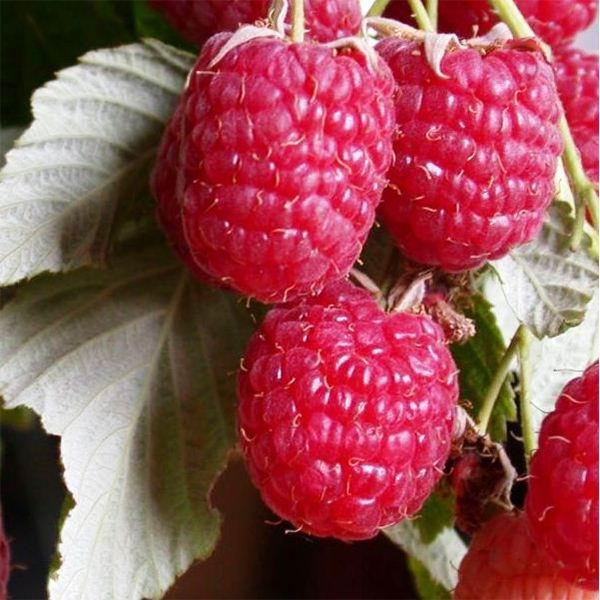 |
| Raspberry Tree “Orange Miracle” | Raspberry tree “Orange Miracle” is a decorative standard-type shrub with bright, very large orange-gold berries, juicy and sweet-and-sour in taste. The bush is powerful and spreading, ideally suited for garden or terrace decoration, and the fruits can be eaten fresh or used in desserts and preserves. | 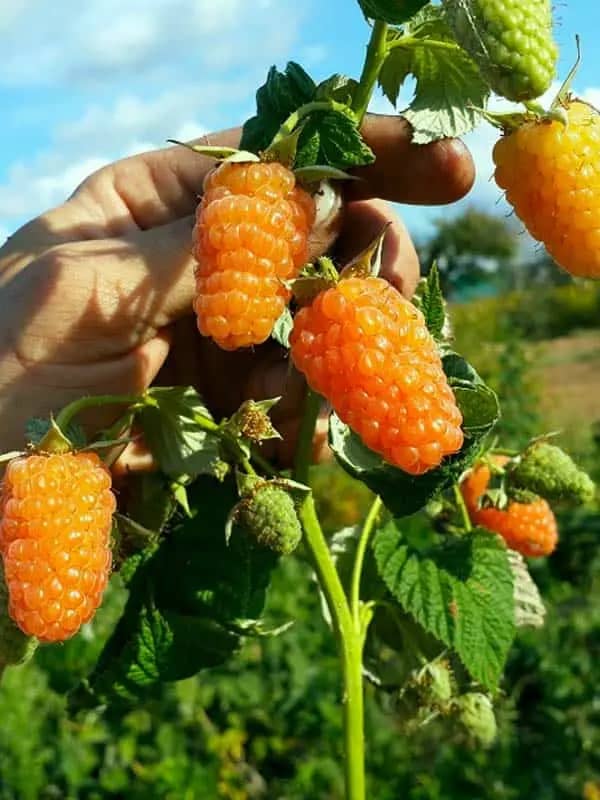 |
| Raspberry Tree “Himbo” | Raspberry tree “Himbo” is a striking plant with upright shoots and large bright red berries with a rich sweet-and-sour taste. The berries are firm, easy to pick, and suitable both for fresh consumption and for desserts and preserves. Such a “tree” looks good in the garden or on a plot, is easy to harvest due to the tall bush form, and delights with harvest from mid-summer to autumn. | 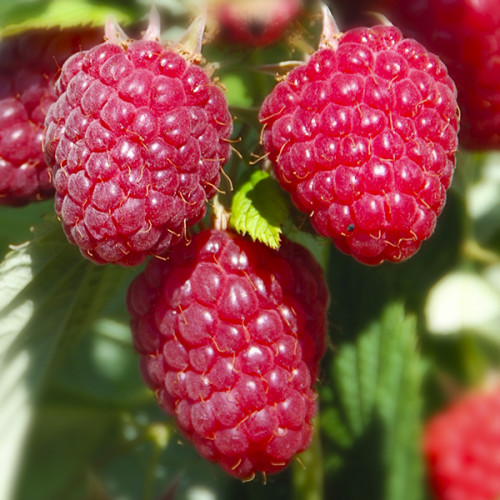 |
| Raspberry Tree “Dolomia” | Raspberry tree “Dolomia Plus” is a new variety with upright powerful bushes. The berries are bright red, glossy, elongated-conical, weighing about 6.6 g, and easily detach from the branches. The fruits are firm, sweet, and aromatic, excellently suited for fresh consumption, desserts, and processing. | 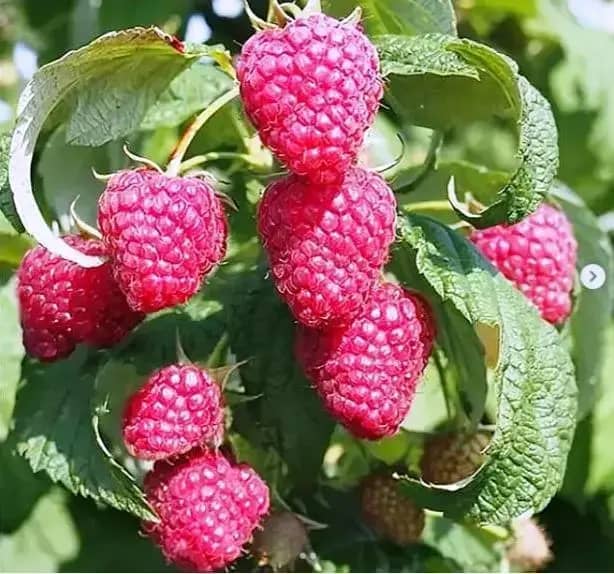 |
| Raspberry Tree “Mao Mao” | Mao Mao raspberry is an exotic shrub (the so-called Tibetan raspberry) with dense bushes and large, juicy berries of rich red color. The fruits have a pleasant sweet-and-sour taste and aroma, hold well on the shoots, and do not fall off even after rain. The berries are suitable for fresh consumption, jams, compotes, and freezing. The plant is valued for its tolerance to high temperatures and short periods of drought, as well as its unpretentious care. With regular watering, Mao Mao adapts well to hot climates and can be successfully grown in the conditions of Egypt. | 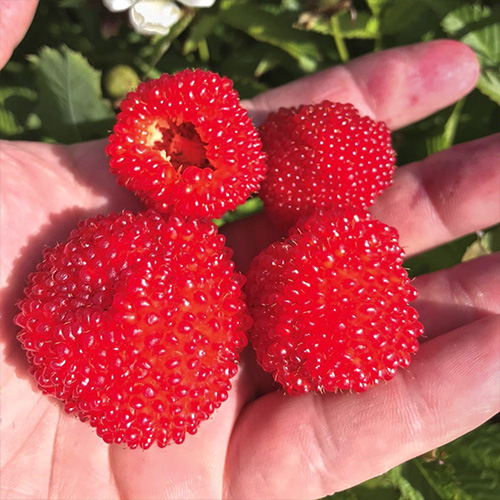 |
| Raspberry Tree “Elbrus” |
| The berries of the raspberry tree “Elbrus” are significantly larger than ordinary raspberries. They are deep scarlet in color, firm, aromatic, and very tasty. One bush can yield a bucket of berries — and this is no exaggeration. The high productivity of the “Elbrus” raspberry tree is explained by the increased strength of the stem, which reliably supports the heavy crop. The variety is well adapted to hot and dry climates: it tolerates high temperatures and short periods of drought, maintaining stable fruiting with regular irrigation. “Elbrus” performs well in the climatic conditions of Egypt, where heat resistance and strong shoots are especially important for successful cultivation. |
| |
| Raspberry Tree “Goldie” |
| Raspberry tree Goldie is a decorative and fruit-bearing deciduous tree with a wide spreading crown and bright juicy fruits. The berries are rich yellow, sweet and aromatic, with light fruity notes, ideally suited for fresh consumption, desserts, and jams. The plant is unpretentious to soils, prefers sunny locations, and becomes a striking accent in any garden. |
| |
| Raspberry Tree “Eurasia” |
| A popular raspberry tree variety thanks to its powerful upright standard-type bushes (1.4–1.8 m) that do not require tying, with large, firm, sweet-and-sour berries, high productivity, excellent transportability, and good disease resistance. The variety is well adapted to hot climates: it tolerates high temperatures and short dry periods, showing stable growth and fruiting with regular irrigation. It produces crops twice per season (from last year’s and young shoots), is unpretentious, decorative, and well suited for cultivation in the climatic conditions of Egypt, making it a universal choice for the garden. |
| |
| Raspberry Tree “Orange Miracle” |
| Raspberry tree “Orange Miracle” is a decorative standard-type shrub with bright, very large orange-gold berries, juicy and sweet-and-sour in taste. The bush is powerful and spreading, ideally suited for garden or terrace decoration, and the fruits can be eaten fresh or used in desserts and preserves. |
| |
| Raspberry Tree “Himbo” |
| Raspberry tree “Himbo” is a striking plant with upright shoots and large bright red berries with a rich sweet-and-sour taste. The berries are firm, easy to pick, and suitable both for fresh consumption and for desserts and preserves. Such a “tree” looks good in the garden or on a plot, is easy to harvest due to the tall bush form, and delights with harvest from mid-summer to autumn. |
| |
| Raspberry Tree “Dolomia” |
| Raspberry tree “Dolomia Plus” is a new variety with upright powerful bushes. The berries are bright red, glossy, elongated-conical, weighing about 6.6 g, and easily detach from the branches. The fruits are firm, sweet, and aromatic, excellently suited for fresh consumption, desserts, and processing. |
| |
| Raspberry Tree “Mao Mao” |
| Mao Mao raspberry is an exotic shrub (the so-called Tibetan raspberry) with dense bushes and large, juicy berries of rich red color. The fruits have a pleasant sweet-and-sour taste and aroma, hold well on the shoots, and do not fall off even after rain. The berries are suitable for fresh consumption, jams, compotes, and freezing. The plant is valued for its tolerance to high temperatures and short periods of drought, as well as its unpretentious care. With regular watering, Mao Mao adapts well to hot climates and can be successfully grown in the conditions of Egypt. |
| |
Reviews of our seedling buyers: